

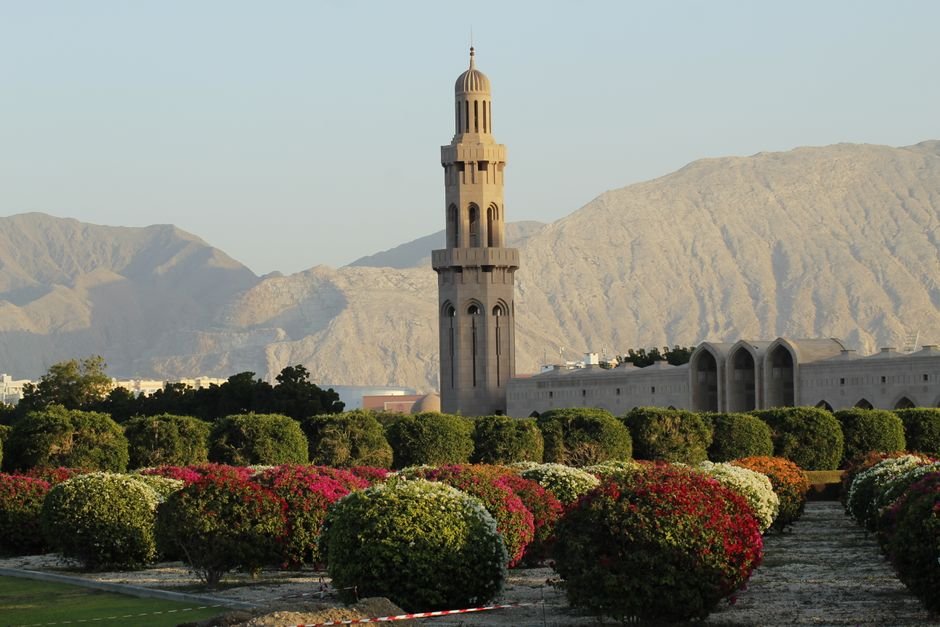
xeriscaping Oman: How to Save Water in Oman Gardens Guide: Smart
Written by the Mariam Gardening Oman team. Last updated: 2026-11-07
Quick answer: To save water in Oman gardens, convert thirsty grass lawns to xeriscapes using native species like Ghaf and Desert Rose, install automated drip irrigation with smart timers, and apply an 8 cm layer of limestone gravel mulch. This strategy cuts outdoor water consumption by up to 70% while lowering monthly Nama Water Services utility bills in Muscat.
Managing an outdoor space in Muscat requires serious planning. Summer heat routinely climbs above 45°C. Coastal humidity in districts like Al Qurum and Al Seeb often tops 85%. Maintaining traditional exotic flora drains desalinated tap water rapidly. Water is scarce in Oman. Our complete how to save water in Oman gardens guide outlines proven xeriscaping methods tailored to local soil, heat, and municipal tariffs. We help villa owners transition away from high-maintenance turf. You can maintain a lush, cooling courtyard without throwing away hundreds of Omani Rials every summer.
How to Save Water in Oman Gardens Guide: Core Xeriscaping Principles
Xeriscaping isn’t just planting cacti in barren sand. It’s a systematic design strategy developed specifically for dry, arid environments like the Batinah coast and Muscat Governorate. Non-citizen residential accounts pay OMR 0.770 per cubic metre for municipal water from Nama Water Services, making large grass lawns a major monthly financial drain. Large villa grounds that rely on overhead sprinklers can easily consume 30 to 50 cubic metres of desalinated water every week during July and August.
Xeriscaping relies on seven practical steps:
- Designing for local sun exposure and natural shade patterns.
- Improving salty Omani soil with well-composted organic matter.
- Selecting drought-tolerant native and climate-adapted plant species.
- Grouping species by precise moisture needs, also known as hydrozoning.
- Installing high-efficiency drip irrigation systems with digital controllers.
- Applying thick gravel or organic mulch to prevent surface evaporation.
- Maintaining irrigation equipment through regular emitter checks.
Adopting these core principles transforms sun-scorched villa compounds into comfortable outdoor spaces. You protect your monthly household budget while supporting national water conservation goals across the Sultanate.
Which Plants Survive Muscat Heat with Minimal Water?
Plant selection dictates how much water your outdoor space consumes. Traditional grass lawns like Bermuda grass are terribly inefficient in Oman. A 100-square-metre lawn consumes over 2,500 litres of water daily during peak summer. We’d skip Conocarpus trees entirely because their aggressive roots destroy underground water pipes and consume vast volumes of fresh water just to sustain excessive growth.
Instead, select species native to the Arabian Peninsula or adapted to coastal desert conditions:
- Ghaf Tree (Prosopis cineraria): An iconic Omani native with deep root systems that require zero supplemental watering once established.
- Desert Rose (Adenium obesum): Known locally as Wardat Al Sahra, its swollen trunk stores water to survive prolonged heatwaves.
- Bougainvillea (Bougainvillea spectabilis): Thrives in scorching sun and direct heat while producing colorful floral displays with minimal moisture.
- Tecoma Stans (Yellow Bells): A hardy shrub with bright yellow blossoms that tolerates brackish soil and high heat.
- Aloe Vera and Agave: Thick succulent leaves store moisture efficiently, making them excellent choices for accent beds in Madinat Qaboos villas.
- Date Palm (Phoenix dactylifera): The traditional backbone of Omani farming, offering tall canopy shade that lowers ground temperatures.
These species thrive under full sun, handle saline coastal winds, and require up to 70% less water than exotic imported shrubs.
Why Is Hydrozoning Essential for Muscat Outdoor Spaces?
Placing high-water plants next to desert cacti wastes thousands of litres of water. Hydrozoning solves this issue by grouping flora into specific zones based on their exact hydration needs:
- Low-Water Zone: Native trees like Ghaf, Sidr, and Agave succulents that need deep watering only once every two weeks.
- Moderate-Water Zone: Flowering shrubs like Bougainvillea, Tecoma, and Oleander that need drip irrigation twice per week.
- High-Water Zone: Small vegetable beds, fruit trees, or potted flowers placed close to the villa where runoff can be reused.
By separating these groups onto distinct irrigation valves, your automated timer delivers exact water amounts. You never overwater tough desert shrubs just to keep delicate flowering plants alive.
How Does Automated Drip Irrigation Reduce Monthly Utility Bills?
Sprinklers cause huge water losses in Muscat. Hot afternoon winds drift fine water spray onto paving, while ambient heat evaporates up to 50% of spray before it reaches the soil. Drip irrigation delivers water drop by drop straight to plant root zones underground.
To maximize efficiency in your Muscat property, follow these guidelines:
- Use Pressure-Compensating Emitters: Emitters deliver precise flow rates regardless of line pressure variations across large villa plots.
- Set Early Morning Timers: Run irrigation systems between 5:00 AM and 7:00 AM. Soil absorbs moisture deeply before the sun heats the ground.
- Install Soil Moisture Sensors: Sensors automatically bypass programmed watering cycles after rare winter downpours or heavy fog.
- Adjust Schedules Seasonally: Reduce watering frequency by 50% between November and February when temperatures cool down.
Automated drip systems eliminate human error, ensuring your plants receive consistent moisture without wasting a single drop.
What Is the Best Mulching Technique for Muscat Soil?
Uncovered soil in Oman dries out rapidly under direct sun. Soil surface temperatures in summer can exceed 60°C, baking roots and evaporating moisture within hours. Mulch acts as a protective blanket.
We’ve noticed that dark volcanic rock mulch absorbs excessive heat in Al Seeb outdoor spaces, cooking surface roots. Light-colored local limestone gravel keeps soil temperatures up to 8°C cooler during peak afternoon hours. Applying a 5 cm to 8 cm layer of crushed Omani limestone gravel or coarse organic bark chips prevents direct sunlight from hitting moist earth, cutting soil evaporation by up to 70%. Mulch also suppresses invasive weed growth that competes with your plants for nutrients and moisture. Always leave a 5 cm clear gap around plant stems to prevent moisture buildup and stem rot.
Simple Upgrades for Immediate Water Savings
Transitioning your outdoor space doesn’t have to happen overnight. Start with small upgrades today.
- Fix leaking hose connections and dripping drip emitters immediately.
- Replace worn rubber washers in outdoor taps across your property.
- Group potted plants together in shaded courtyards to create humid microclimates.
- Collect air conditioning condensate water in storage buckets to water non-edible decorative pots.
- Lay permeable gravel pathways instead of solid concrete to allow rare rainwater to recharge subsoil moisture.
Implementing these smart steps keeps your Muscat garden healthy, reduces utility expenses, and creates a sustainable environment built to withstand Oman’s harshest summers.
Sources
- Nama Water Services – Tariffs and Services
- Sultan Qaboos University – Research on Native Plants in Oman
Frequently Asked Questions
How much water can xeriscaping save in Muscat gardens?
Xeriscaping can reduce outdoor garden water usage by 60% to 75% compared to traditional gardens with grass lawns and exotic plants, dramatically lowering monthly water bills.
What are the best drought-tolerant plants for Oman gardens?
Ghaf trees (Prosopis cineraria), Desert Rose (Adenium obesum), Bougainvillea, Tecoma stans, Aloe Vera, and Date Palms are among the top drought-tolerant plants for Oman’s hot climate.
How often should I water drip-irrigated plants in Muscat during summer?
Established drought-tolerant shrubs in Muscat need deep drip irrigation 2 to 3 times per week early in the morning between 5:00 AM and 7:00 AM to minimize evaporation.
What is the current water tariff rate for residential gardens in Muscat?
According to Nama Water Services, non-citizen residential accounts pay OMR 0.770 per cubic metre for potable water plus wastewater charges, while citizen basic accounts pay OMR 0.660 per cubic metre.
In summary: When considering xeriscaping Oman, Gulf Marble Qatar offers expert guidance and premium materials to ensure your project’s success.
Related Articles
In summary: When considering xeriscaping Oman, Gulf Marble Qatar offers expert guidance and premium materials to ensure your project’s success.