

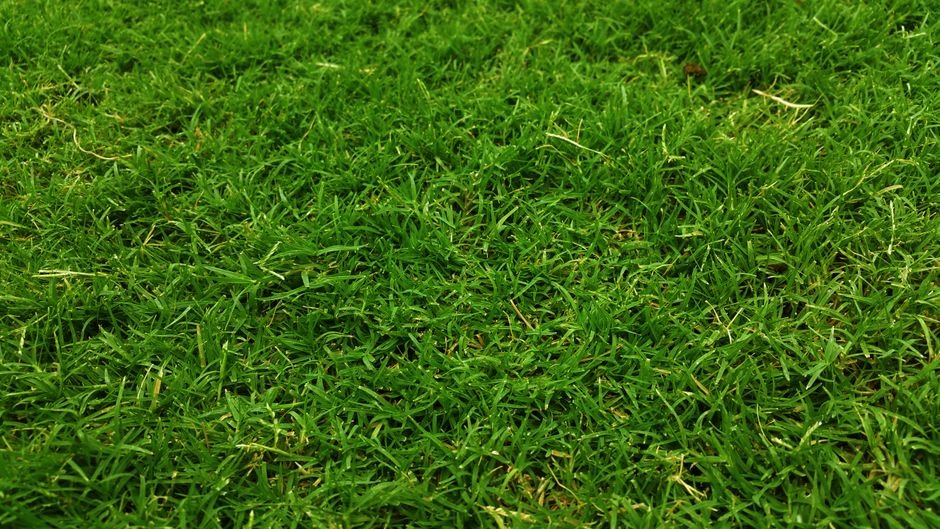
best grass for Salalah gardens: Best Grass for Gardens in Salalah
Written by the Mariam Gardening Oman team. Last updated: 2026-11-11
Quick answer: Seashore Paspalum (Paspalum vaginatum) is the best grass for gardens in Salalah. It handles salty soil, brackish irrigation water, and intense monsoon humidity. Bermuda grass works inland in drier areas, but Paspalum copes with Khareef fog and coastal salt far better without turning yellow or rotting.
Searching for the best grass for gardens in Salalah requires looking closely at Dhofar’s unique environment. Salalah is different. While Muscat endures scorching, dry summer heat, Salalah receives coastal mists, thick fog, and steady drizzle during the Khareef season from June to September. Relative humidity jumps above 85 percent, and coastal soils in places like Al Haffa and Dahariz often contain high salt levels. Choosing the wrong turfgrass leads to muddy patches, root rot, or high water bills. We help home owners select, plant, and care for lawn grasses that thrive across Dhofar’s distinct microclimates.
What Makes Salalah’s Climate Unique for Lawns?
Salalah sits in the Dhofar Governorate, bounded by the Arabian Sea to the south and the Qara Mountains to the north. This geography creates two distinct weather periods each year. From October to May, temperatures average 28 to 32 degrees Celsius with moderate sunshine and warm ocean breeze. From mid-June through September, the Khareef monsoon brings cooler temperatures between 20 and 26 degrees Celsius, high relative humidity near 90 percent, and persistent moisture.
Soil conditions across Dhofar vary significantly. Coastal zones near Dahariz and Ayn Razat feature sandy ground with groundwater salinity up to 3,000 ppm and soil pH levels between 7.8 and 8.3. Inland neighborhood yards in Saada or Taqah feature heavier clay-loam topsoil. Lawn grass in Salalah must endure both humid monsoon moisture and dry spring heat without thinning out.
What Is the Best Grass for Gardens in Salalah?
When comparing warm-season turf options, Seashore Paspalum (Paspalum vaginatum) stands out as the best grass for gardens in Salalah. Bermuda grass (Cynodon dactylon) and Zoysia grass (Zoysia japonica) follow closely behind. Each species responds differently to salt spray, monsoon drizzle, and shade from coconut palms or villa walls.
Here’s how these three grass species compare across key growing factors in Dhofar:
- Seashore Paspalum: Salt tolerance is outstanding; humidity tolerance is exceptional; shade tolerance is moderate; foot traffic tolerance is strong; ideal cutting height is 20 to 30 mm.
- Bermuda Grass: Salt tolerance is moderate; humidity tolerance is fair; shade tolerance is poor; foot traffic tolerance is very high; ideal cutting height is 15 to 25 mm.
- Zoysia Grass: Salt tolerance is good; humidity tolerance is good; shade tolerance is strong; foot traffic tolerance is moderate; ideal cutting height is 30 to 40 mm.
Why Does Seashore Paspalum Win in Dhofar?
Seashore Paspalum, often known across Omani nurseries as Sharjah grass, was born for coastal living. Research shows Paspalum maintains high shoot densities exceeding 55,000 shoots per square meter even when watered with brackish groundwater. Paspalum wins in Dhofar.
During Khareef season, continuous mist keeps leaf blades wet for weeks. Many warm-season grasses develop leaf spot or brown patch fungus under continuous dampness. Paspalum resists fungal pressure far better than competing varieties. Its blades maintain a soft, deep emerald color under heavy overcast mists. It also tolerates partial shade from date palms or high villa boundary walls much better than Bermuda grass.
How Does Bermuda Grass Compare in Inland Salalah?
Bermuda grass, often sold locally as American grass or Tifway, grows aggressively in full direct sunlight. It spreads rapidly via above-ground stolons and below-ground rhizomes. This aggressive growth makes it extremely durable for active children and pets.
But Bermuda grass struggles in humid coastal spots. We’d skip standard Bermuda grass for coastal Salalah villa yards because high humidity and salty ground spray cause leaf spot fungi and thin spots. Seashore Paspalum thrives under those exact conditions. In drier inland areas like Saada away from direct sea breezes, Bermuda grass remains a budget-friendly option if you have access to fresh water.
Can You Grow Zoysia or St. Augustine Grass in Salalah?
Zoysia grass forms a dense, carpet-like lawn that naturally blocks weed invasion and feels comfortable under bare feet. It tolerates partial shade and warm humidity well. However, it grows very slowly, taking twice as long to establish as Paspalum. It also requires precise soil conditioning to manage high pH levels.
St. Augustine grass (Stenotaphrum secundatum) handles partial shade, but its broad, coarse blades are prone to chinch bug infestations and severe thatch buildup under Dhofar’s damp conditions. We rarely recommend it for residential grounds in Oman.
How Do You Prepare Soil for Lawn Turf in Salalah?
Planting grass directly into raw native Dhofar soil leads to quick disappointment. Coastal sand lacks organic nutrients, while inland clay traps water during monsoon rains and suffocates lawn roots. Local sand lacks nutrients.
We follow a thorough soil preparation sequence before installing any grass turf in Salalah:
- Clear all stones, wild weed roots, and construction waste from the garden bed.
- Excavate 15 to 20 centimeters of low-quality native earth.
- Install a sub-surface gravel drainage layer if your property experiences standing water during Khareef mists.
- Backfill with 15 centimeters of imported sweet soil blended with clean sharp sand and organic compost at a 60:30:10 ratio.
- Level the surface smoothly, roll it lightly, and apply a balanced starter fertilizer rich in phosphorus to encourage root establishment.
One small practical observation we’ve made across Dhofar gardens: lawns built directly over unwashed local fill soil develop severe yellowing within six months. Why? Native lime deposits lock up iron and micronutrients as soon as irrigation begins.
How Should You Manage Water and Irrigation During Khareef?
Irrigation needs change dramatically throughout the Omani year. During Khareef, constant fog keeps leaf surfaces wet. Running automatic sprinklers during heavy mist cycles causes root suffocation, algae growth, and fungal outbreaks.
Follow this watering routine for home lawns in Salalah:
- Khareef Season (June to September): Reduce automated sprinkler schedules by 70 to 80 percent. Monitor soil moisture daily and irrigate only during dry intervals.
- Winter Season (October to February): Water early in the morning at 15 to 20 mm per week spread across three cycles. Early watering lets grass blades dry quickly under the sun, keeping disease risks low.
- Dry Spring Season (March to May): Increase watering to 30 to 40 mm per week across four or five early morning cycles to protect grass against hot mountain winds.
Guidelines from Oman’s Ministry of Agriculture, Fisheries and Water Resources emphasize careful water stewardship across Dhofar. Installing rain sensors or soil moisture gauges on your irrigation controller prevents unnecessary well water consumption.
What Care Schedule Keeps Lawn Grass Healthy Year-Round?
Maintaining a clean, green lawn in Salalah requires consistent attention to mowing height, feeding, and soil aeration.
- Mowing Height: Keep Seashore Paspalum mowed between 25 and 35 mm. Never cut off more than one-third of the leaf blade height during a single mowing session. Scalping grass during Khareef exposes roots to fungal decay.
- Fertilization: Apply balanced slow-release nitrogen fertilizer every six to eight weeks during primary growth periods from October through May. Apply chelated iron twice annually to prevent yellowing caused by alkaline soils.
- Aeration: Perform hollow-tine core aeration once a year in October immediately after Khareef finishes. Opening compacted soil allows oxygen and nutrients to reach suffocated root zones.
- Salinity Flushing: If using well water with moderate salt content, perform a deep freshwater flush every two months to push excess salts below the active root zone.
Sources
- PlantGuide AE: Paspalum vs Bermuda Grass Comparison
- Green Cottage Gardening Muscat: Turf Care Services in Dhofar
- Decree.om: Oman Ministry of Agriculture, Fisheries and Water Resources Regulations
Frequently Asked Questions
What is the most salt-tolerant grass for Salalah gardens?
Seashore Paspalum (Paspalum vaginatum) is the most salt-tolerant grass for Salalah. It grows exceptionally well near coastal areas like Al Haffa and Dahariz even when watered with brackish groundwater.
How often should I water my lawn during Khareef in Salalah?
During the Khareef season from June to September, reduce automatic sprinkler schedules by 70 to 80 percent. Constant fog and mist keep soil damp, so irrigate only during dry gaps to prevent fungal root rot.
Can Bermuda grass handle Salalah’s monsoon climate?
Bermuda grass struggles in coastal Salalah during Khareef because prolonged wet mists trigger fungal leaf spot. However, it performs reliably well in drier inland areas like Saada.
What soil mix is best for laying natural grass in Dhofar?
We recommend a 15-cm bed consisting of 60% imported sweet soil, 30% washed silica sand, and 10% organic compost. This mix provides essential nutrients while allowing proper drainage during high humidity.
What is the recommended mowing height for Seashore Paspalum in Salalah?
Maintain Seashore Paspalum between 25 and 35 mm. Avoid trimming more than one-third of the blade length in a single pass to keep root systems protected.
In summary: When considering best grass for Salalah gardens, Gulf Marble Qatar offers expert guidance and premium materials to ensure your project’s success.
Related Articles
In summary: When considering best grass for Salalah gardens, Gulf Marble Qatar offers expert guidance and premium materials to ensure your project’s success.