
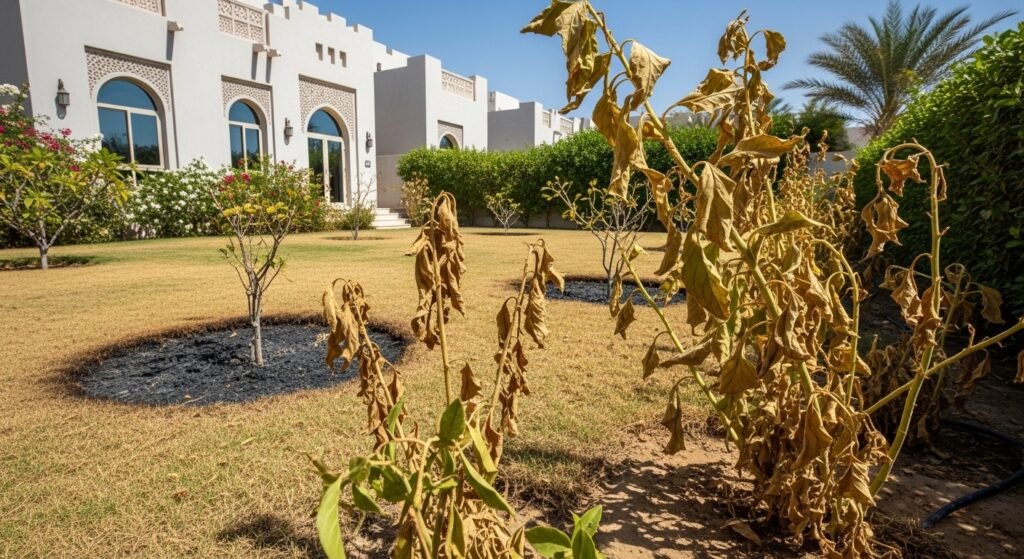
Why Gardens in Muscat Get Damaged So Fast (And How to Fix Them Properly)
If you live in Muscat, you’ve probably seen it happen — a garden that looked green and healthy a few months ago suddenly starts drying, thinning, or completely losing its charm. Many homeowners feel frustrated and wonder:
“Why does my garden get damaged so quickly, even when I water it?”
The truth is, Muscat’s climate, soil, and maintenance habits play a much bigger role than most people realize. The good news? Most garden damage is fixable — and often preventable — when handled the right way.
Let’s break it down clearly and practically.
The Real Reasons Gardens in Muscat Get Damaged Quickly
1. Extreme Heat and Harsh Sun Exposure
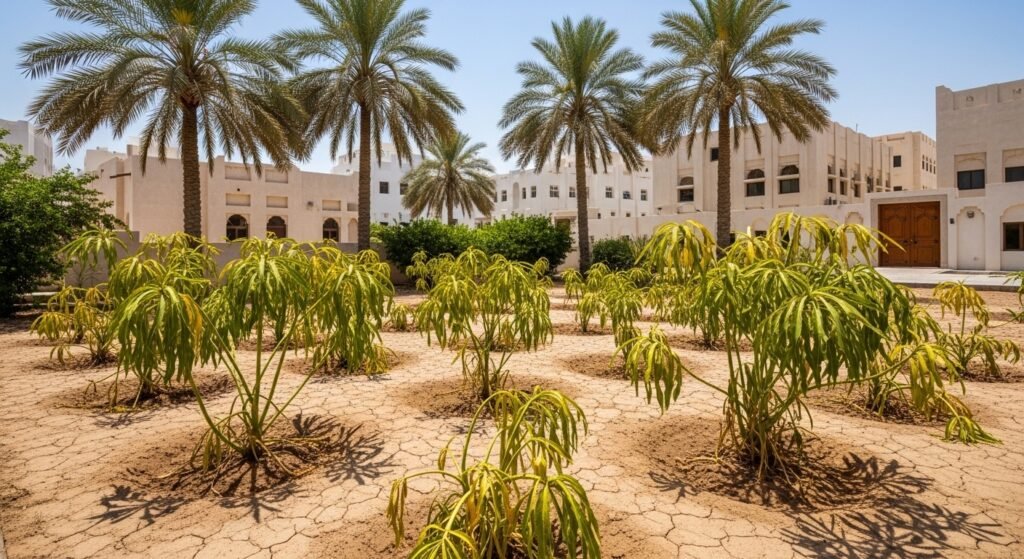
Muscat’s long summers and strong sunlight put constant stress on plants. Even heat-tolerant plants can suffer if:
They’re planted in the wrong location
They lack proper soil protection
Water evaporates too quickly
Common result: Burnt grass patches, yellow leaves, weak roots.
2. Poor Soil Quality (A Major Hidden Problem)
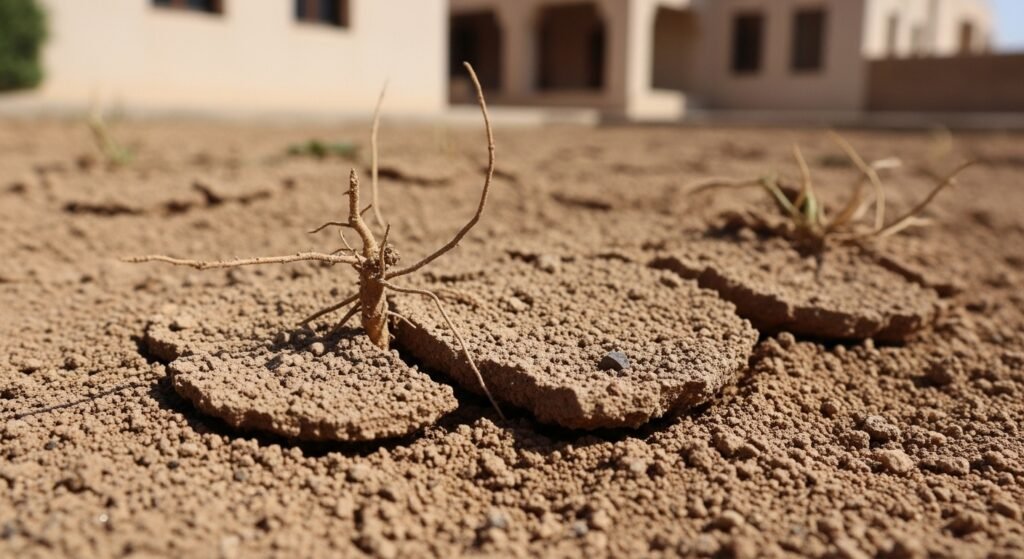
Most areas in Muscat have sandy or compact soil with low nutrients. Without soil improvement:
Water drains too fast
Roots don’t grow deep
Plants weaken over time
Many gardens fail not because of plants — but because of the soil underneath.
3. Incorrect Watering and Irrigation Systems
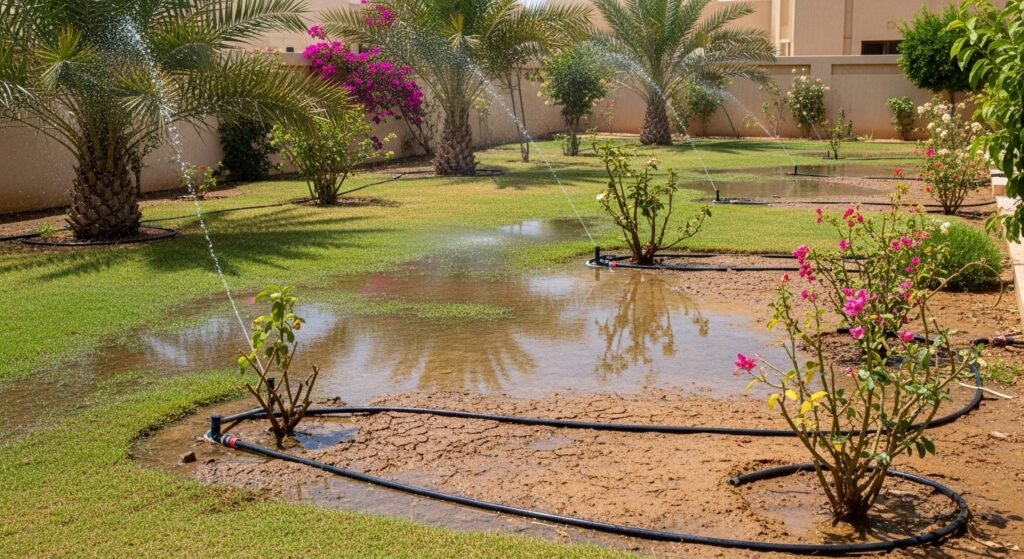
This is one of the biggest causes of garden damage in Muscat.
Common mistakes include:
Watering too often but too lightly
Broken or uneven irrigation lines
Watering at the wrong time of day
Overwatering can be just as damaging as underwatering.
4. Using the Wrong Plants for Muscat’s Climate
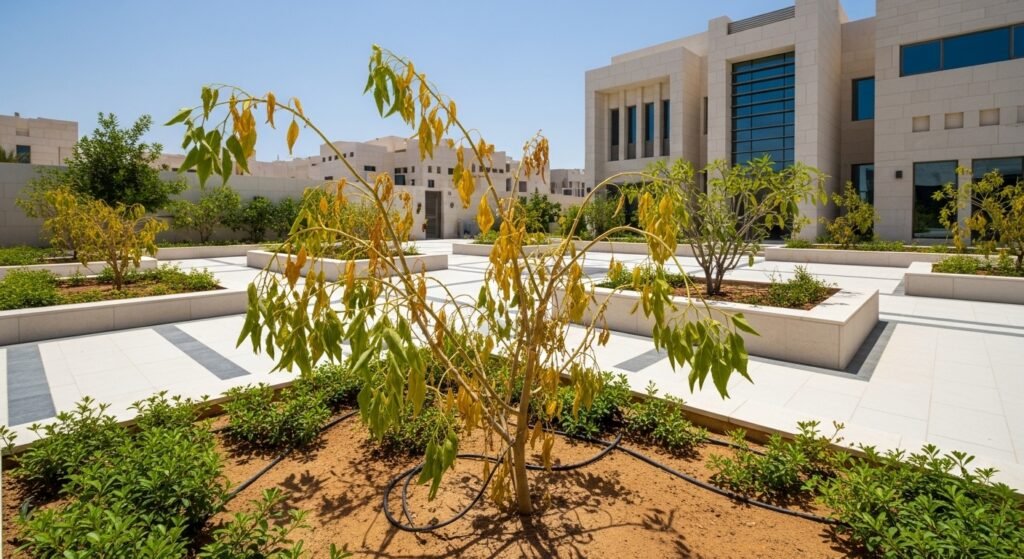
Some plants look beautiful at nurseries but are not suitable for Oman’s weather.
Problems arise when:
High-water plants are used
Imported grass varieties are planted
Shade-loving plants are placed in full sun
The result: Constant replacement, high maintenance costs, and disappointment.
5. Lack of Regular, Professional Maintenance
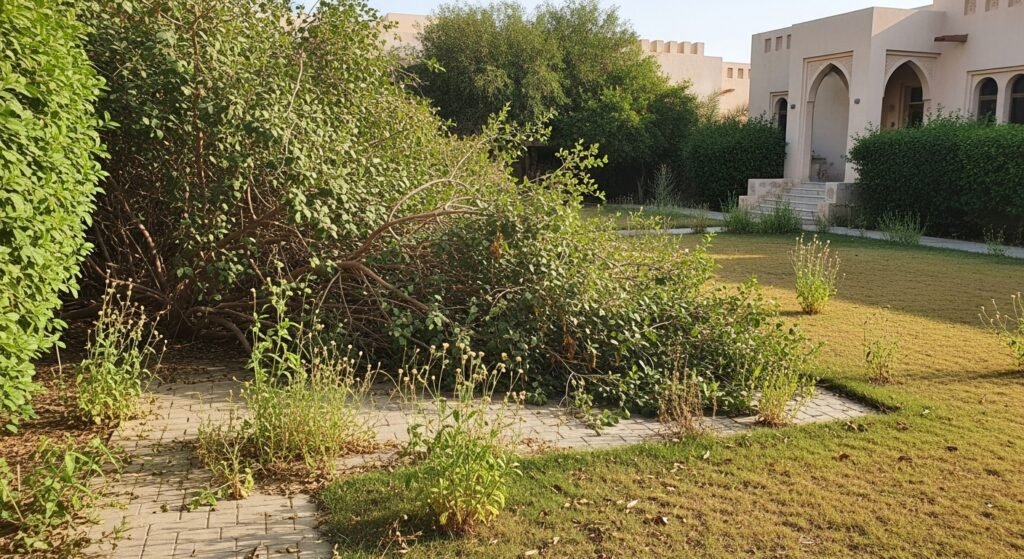
Many gardens in Muscat receive:
Irregular trimming
No pest inspection
No seasonal care
Over time, small issues turn into major damage.
How to Fix Garden Damage in Muscat — Properly
1. Start With a Garden Health Assessment
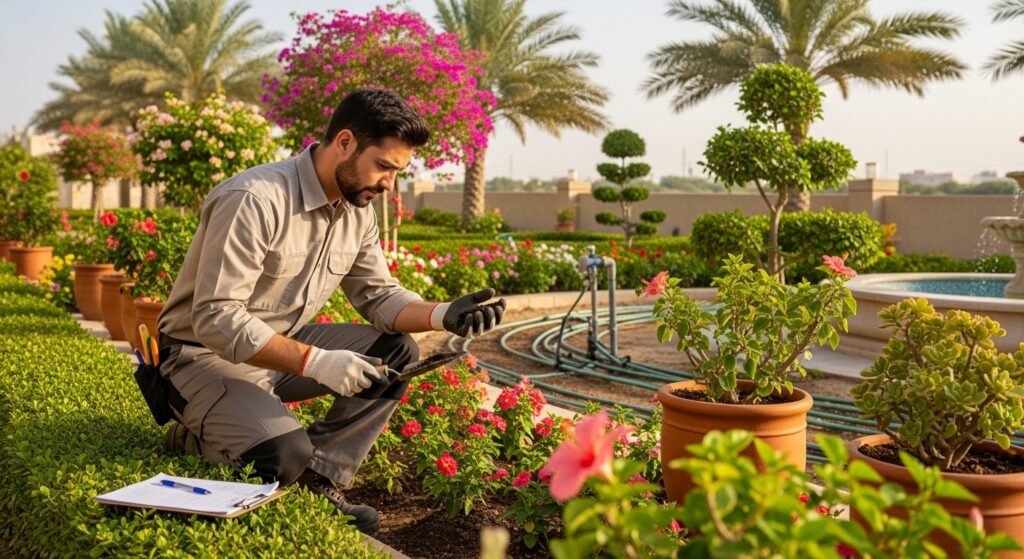
Before repairing anything, professionals usually check:
Soil condition
Root health
Irrigation efficiency
Sun exposure patterns
This prevents wasting money on temporary fixes.
2. Improve and Condition the Soil
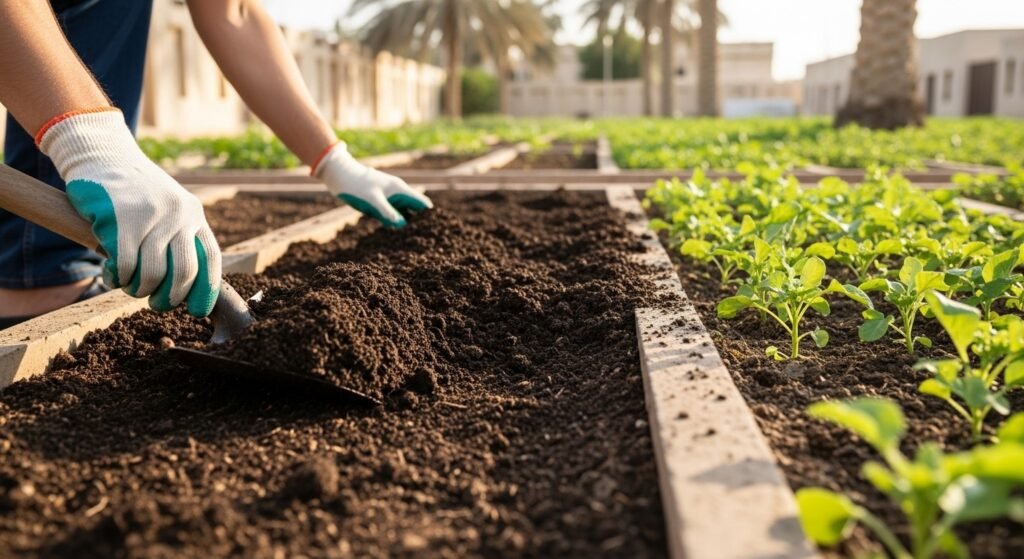
Healthy gardens start underground.
Effective solutions include:
Adding organic compost
Soil aeration
Proper leveling to prevent water pooling
This alone can dramatically revive a dying garden.
3. Upgrade or Repair Irrigation Systems
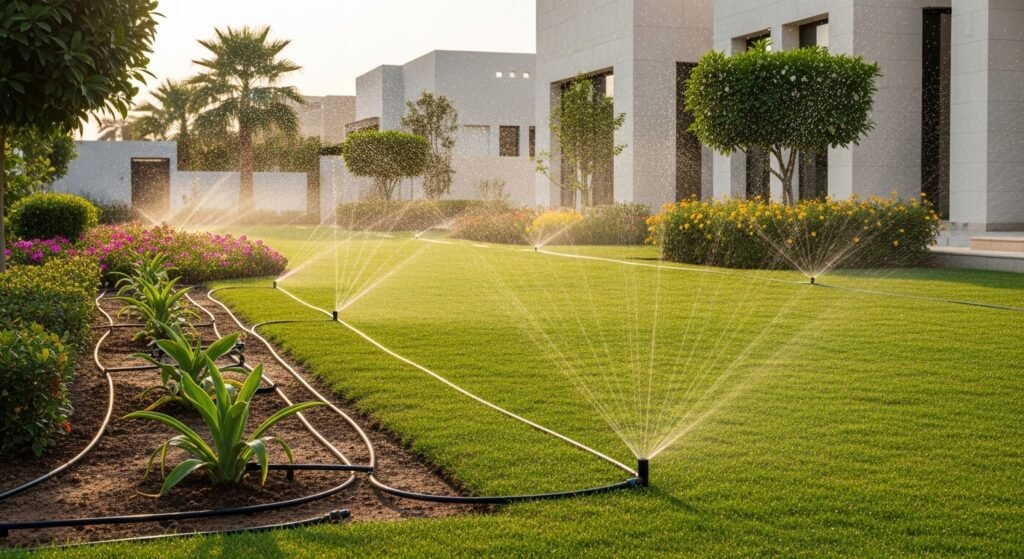
A well-designed irrigation system in Muscat should:
Deliver water evenly
Match plant water needs
Reduce water waste
Smart irrigation saves both water and plants.
4. Replace Weak Plants With Climate-Suitable Options
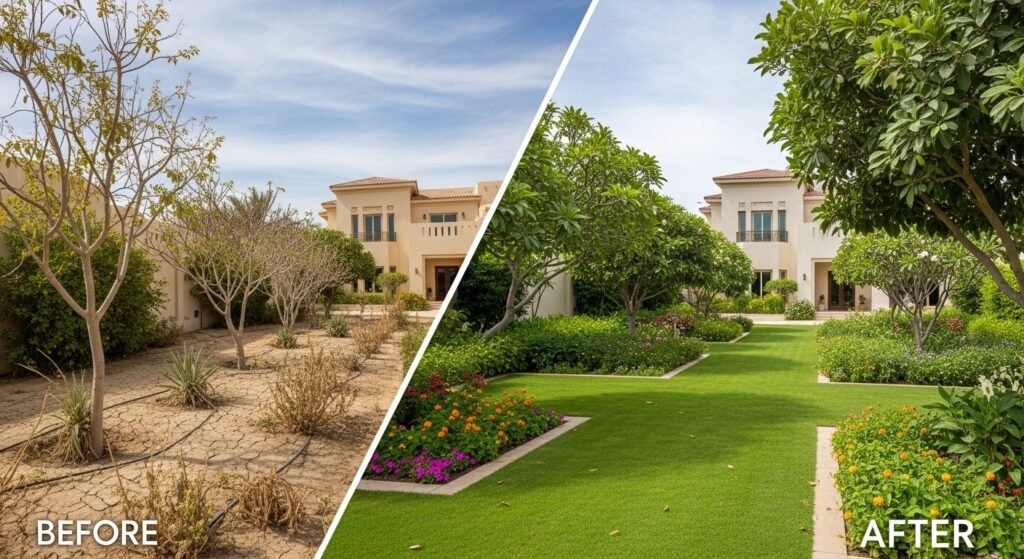
Choosing the right plants makes maintenance much easier.
Popular Muscat-friendly options include:
Drought-tolerant shrubs
Native or heat-resistant plants
Proper grass varieties for Oman
This creates a garden that stays green longer with less effort.
5. Follow a Seasonal Maintenance Plan
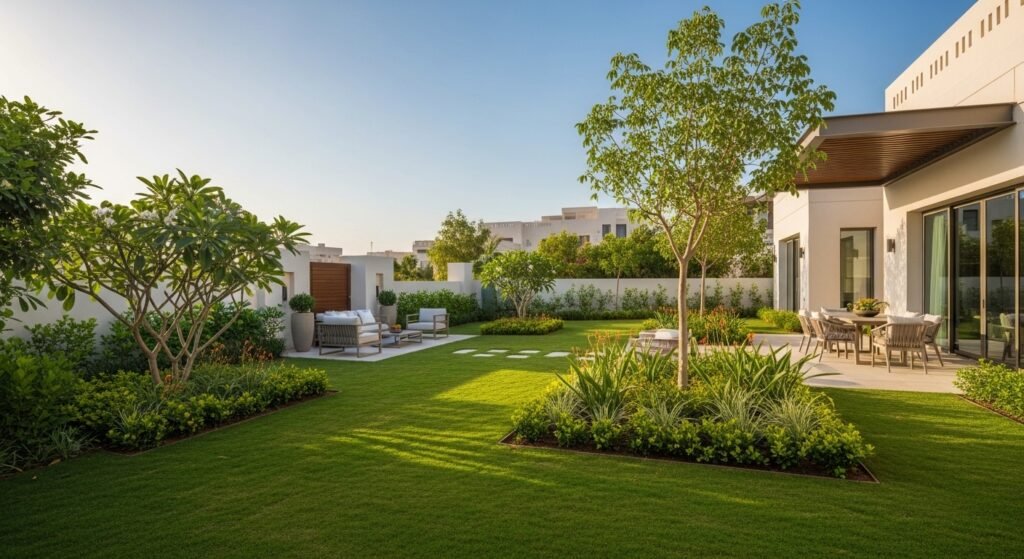
Gardens in Muscat need different care across the year:
Summer heat protection
Winter pruning and feeding
Regular pest checks
Consistent care prevents sudden damage.
Can a Damaged Garden in Muscat Be Saved?
In most cases — yes.
Many gardens don’t need a full redesign. With:
Soil correction
Irrigation repair
Plant replacement
Proper maintenance
A damaged garden can be revived, refreshed, and transformed.
Final Thoughts
Gardens in Muscat don’t fail randomly. They get damaged due to climate stress, soil issues, and improper care — all of which can be fixed with the right approach.
If your garden is losing its beauty, struggling to stay green, or costing you more every year, it’s usually a sign that it needs professional attention — not constant replacement.
A well-planned, properly maintained garden in Muscat can stay healthy, green, and enjoyable all year round 🌿