Natural Grass vs Artificial GrassWhich Is Better for Oman?
A practical, climate-specific comparison of the real pros and cons — so you can make a confident decision for your home or business.
If you've ever tried to keep a lawn alive through an Omani summer, you already know the struggle. Between the scorching heat, water restrictions, and sandy soil, growing a lush green lawn in Oman is no small task. So when homeowners in Muscat, Sohar, Salalah, or Nizwa start planning their gardens, one question always comes up: should you go with natural grass or artificial grass?
At Mariam Gardening Oman, we get asked this almost every week. There's no single “correct” answer for everyone — it depends on your budget, water access, lifestyle, and how you plan to use your outdoor space. In this guide, we'll break down the real pros and cons of both options specifically for Oman's climate, so you can make a confident decision for your home or business.
Why This Decision Matters More in Oman Than Elsewhere
Oman's climate isn't like the UK or even parts of Europe where natural grass thrives with minimal effort. Summer temperatures regularly cross 40°C, humidity is low in most regions, and rainfall is scarce. That's exactly why this comparison deserves a closer look.
Natural Grass
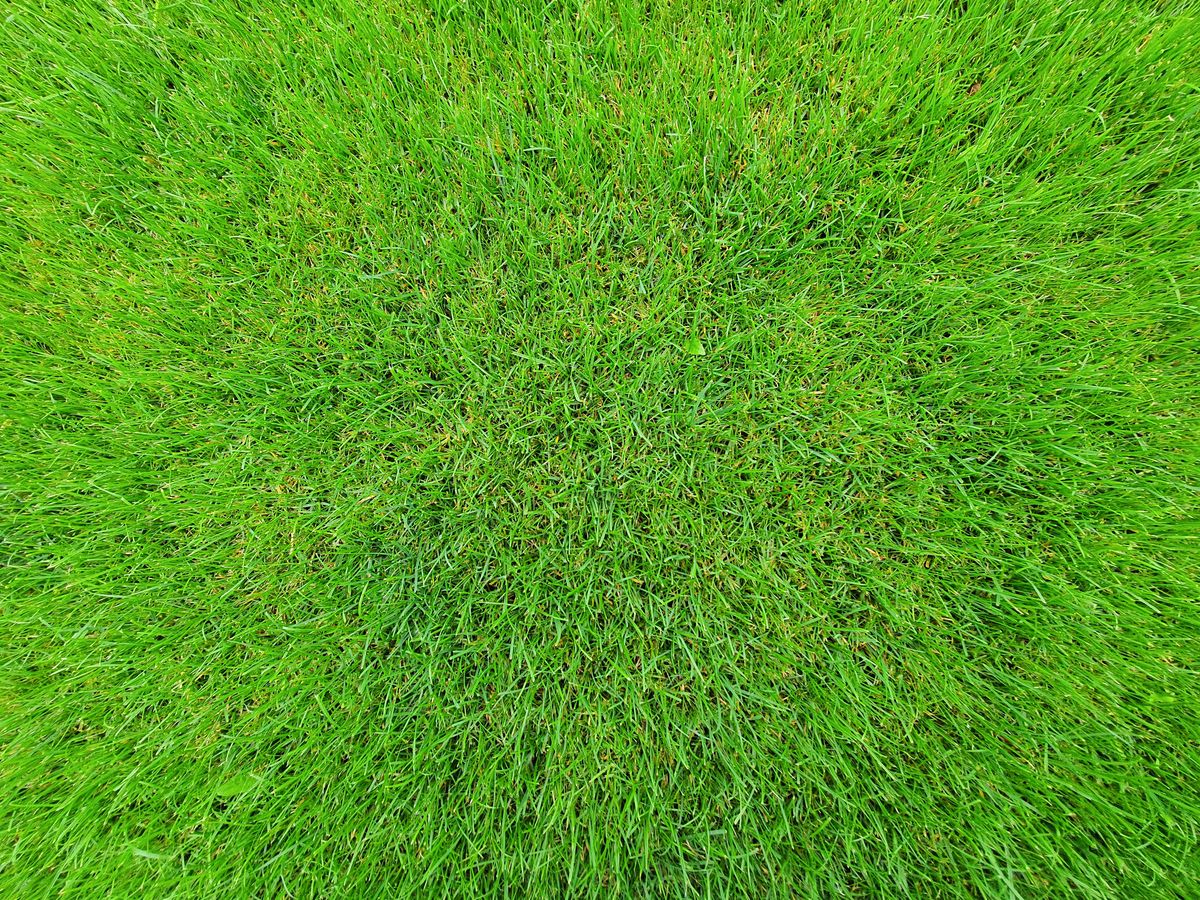
Natural cooling effect
Real grass absorbs heat rather than reflecting it, which keeps the surrounding area noticeably cooler than artificial turf or paved surfaces — a real advantage during Oman's long hot season.
Better for the environment
Living grass produces oxygen, supports local soil health, and creates a small but genuine ecosystem for insects and birds. If sustainability is a priority for your household, natural grass has an edge here.
Soft, authentic feel
Nothing quite replicates the feel of real grass under bare feet, especially for families with young children or pet owners who want a natural play surface.
Can be more affordable upfront
Depending on the grass variety and soil preparation needed, natural lawns can sometimes be cheaper to install initially compared to artificial turf, especially for larger areas.
High water consumption
This is the biggest drawback. Most common grass types need frequent watering — sometimes daily during peak summer — which adds up in both cost and environmental impact.
Heat stress and browning
Not all grass varieties tolerate Oman's heat well. Without the right species (like Bermuda or Zoysia grass, which are more heat-tolerant) and proper care, lawns can turn patchy or brown quickly.
Ongoing maintenance
Mowing, fertilizing, pest control, and reseeding are recurring tasks. If you don't have time for regular upkeep or a reliable gardening service, natural grass can become a burden rather than a joy.
Soil limitations
Oman's naturally sandy, low-nutrient soil often needs amendment before grass will establish properly, adding to the initial setup cost and effort.
Artificial Grass
Minimal water usage
This is where artificial turf shines in Oman. Once installed, it needs little more than occasional rinsing to remove dust — a huge advantage in a country where water conservation matters.
Consistent, year-round green
No browning, no patchy spots, no seasonal die-back. Artificial grass looks the same in July as it does in January, regardless of heat or drought.
Low maintenance
No mowing, no fertilizing, no pest treatments. For busy families, offices, or rental properties, this convenience is a major selling point.
Durable in harsh conditions
Quality artificial turf is designed to withstand intense UV exposure without breaking down quickly, making it well-suited to Oman's sun-heavy climate — though cheaper, low-grade turf can fade or degrade faster.
Great for specific use cases
Rooftop gardens, balconies, commercial landscaping, play areas, and spaces with poor natural soil quality are often better suited to artificial grass than to a struggling natural lawn.
Heat retention
Unlike natural grass, artificial turf can get quite hot under direct sun, sometimes uncomfortable to walk on barefoot during peak afternoon heat.
Higher upfront cost
Quality artificial grass installation typically costs more initially than seeding a natural lawn, though this is often offset by long-term water and maintenance savings.
No natural cooling or ecological benefit
It doesn't produce oxygen, support soil organisms, or cool the surrounding air the way living grass does.
Eventual replacement
Even high-quality turf has a lifespan (often 8–15 years depending on quality and usage) and will eventually need replacing.
Quick Comparison for Oman
So, Which One Is Actually Better for Oman?
Honestly, it depends on your specific situation — and that's not a cop-out answer. Here's a more practical way to think about it:
Choose Natural Grass If
- You have reliable access to water and don't mind the cost
- You enjoy gardening and regular outdoor maintenance
- You want the cooling, eco-friendly benefits of a living lawn
- Your soil can be properly prepared and amended
- You're planning a family garden with kids who'll play barefoot regularly
Choose Artificial Grass If
- Water conservation and lower bills are a priority
- You want a green, tidy lawn with minimal weekly effort
- You're landscaping a rooftop, balcony, or commercial space
- Your soil conditions make natural grass difficult to sustain
- You travel often or don't have time for regular lawn care
The Hybrid Approach
Many homeowners in Oman are actually choosing a hybrid approach — natural grass in a smaller, shaded, well-irrigated area near the house, combined with artificial turf in larger or harder-to-maintain zones like side yards, rooftops, or play areas. This balances aesthetics, water savings, and practicality.
Tips for Success With Either Option
If you go natural:
- Choose heat-tolerant grass varieties suited to Oman's climate
- Install a drip or smart irrigation system to reduce water waste
- Water early morning or late evening to minimize evaporation
- Improve soil quality before planting for stronger root establishment
If you go artificial:
- Invest in high-quality, UV-resistant turf rather than the cheapest option
- Ensure proper drainage is installed underneath
- Rinse periodically to keep it clean and dust-free
- Consider shaded areas or turf with cooling technology if heat retention is a concern
There's No Universal Winner
There's no universal winner in the natural grass vs artificial grass debate — the “better” choice depends on your water access, budget, lifestyle, and how you want your outdoor space to look and feel. In a climate like Oman's, artificial grass often wins on convenience and water savings, while natural grass wins on authenticity and environmental benefit.
At Mariam Gardening Oman, we help homeowners and businesses across Oman design outdoor spaces that actually work with the local climate — not against it. Whether you're leaning toward a natural lawn, artificial turf, or a smart combination of both, our team can guide you through the right materials, layout, and maintenance plan for your property.
Ready to transform your outdoor space? Get in touch with Mariam Gardening Oman today for a personalized consultation and let's build a garden that thrives in Oman's climate, all year round.