

Starting a new garden in Muscat is an exciting journey — but without the right foundation, even the most carefully chosen plants will struggle to thrive. In Oman's desert climate, soil preparation isn't just a first step; it's the most critical step. Get this right, and your garden will reward you with lush greenery and vibrant blooms year after year. At Mariam Gardening, we've spent over 11 years transforming outdoor spaces across Muscat, and we're sharing everything we know about building healthy soil from the ground up.
Understanding Muscat's Native Soil
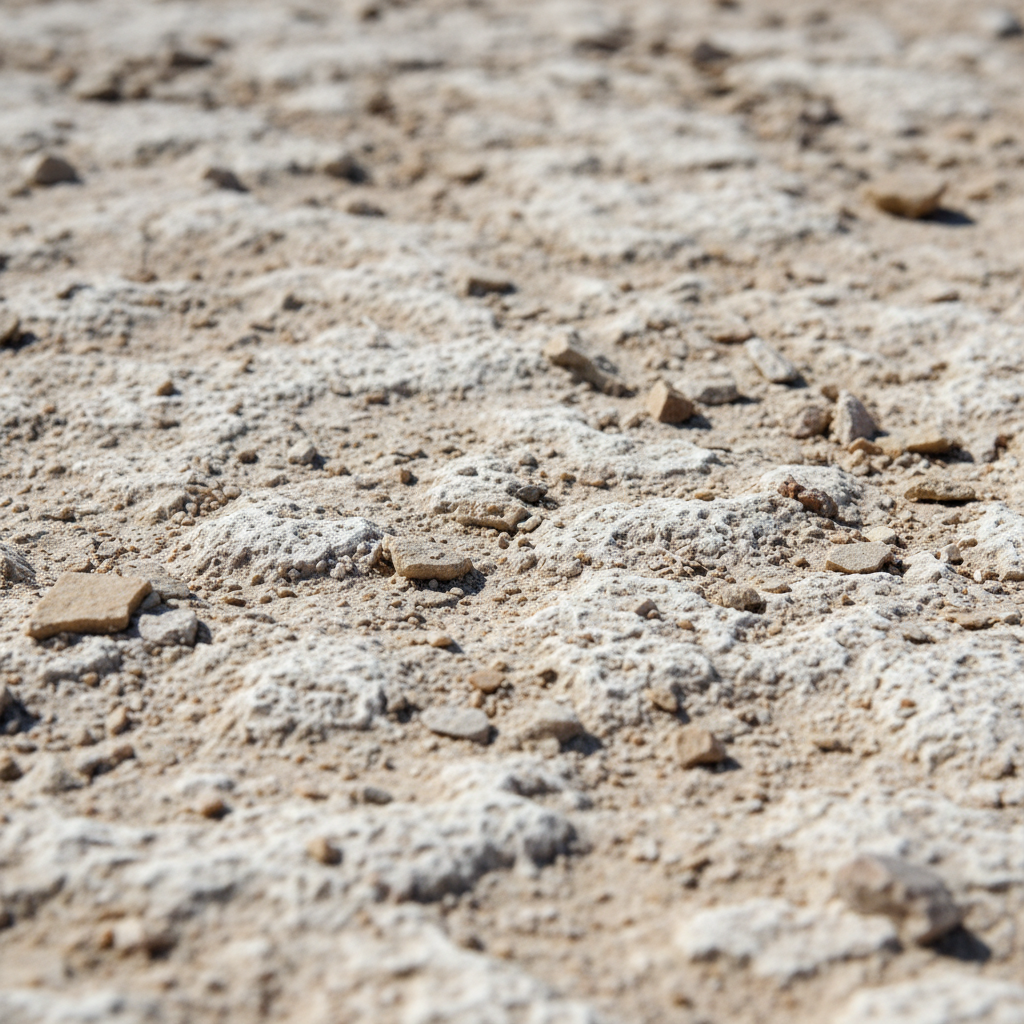
Before you can improve your soil, you need to understand what you're working with. The natural soil found across most of Muscat and the surrounding areas of Oman is a sandy, rocky desert soil — highly porous, low in organic matter, and often alkaline with a pH ranging from 7.5 to 8.5.
This type of soil drains water almost instantly, which means plants cannot absorb enough moisture before it disappears. It also lacks the nutrients that plants need to grow strong roots and healthy foliage. In many garden plots around Al Mouj and other residential areas of Muscat, you'll also encounter compacted layers of gravel or crusty soil beneath the surface that roots simply cannot penetrate.
The good news is that with the right approach, this challenging base can be transformed into a garden bed that supports thriving plants adapted to Oman's climate. Understanding these soil characteristics is also essential for preventing lawn diseases in Muscat, since weakened soil directly affects plant health.
Step 1: Test Your Soil First
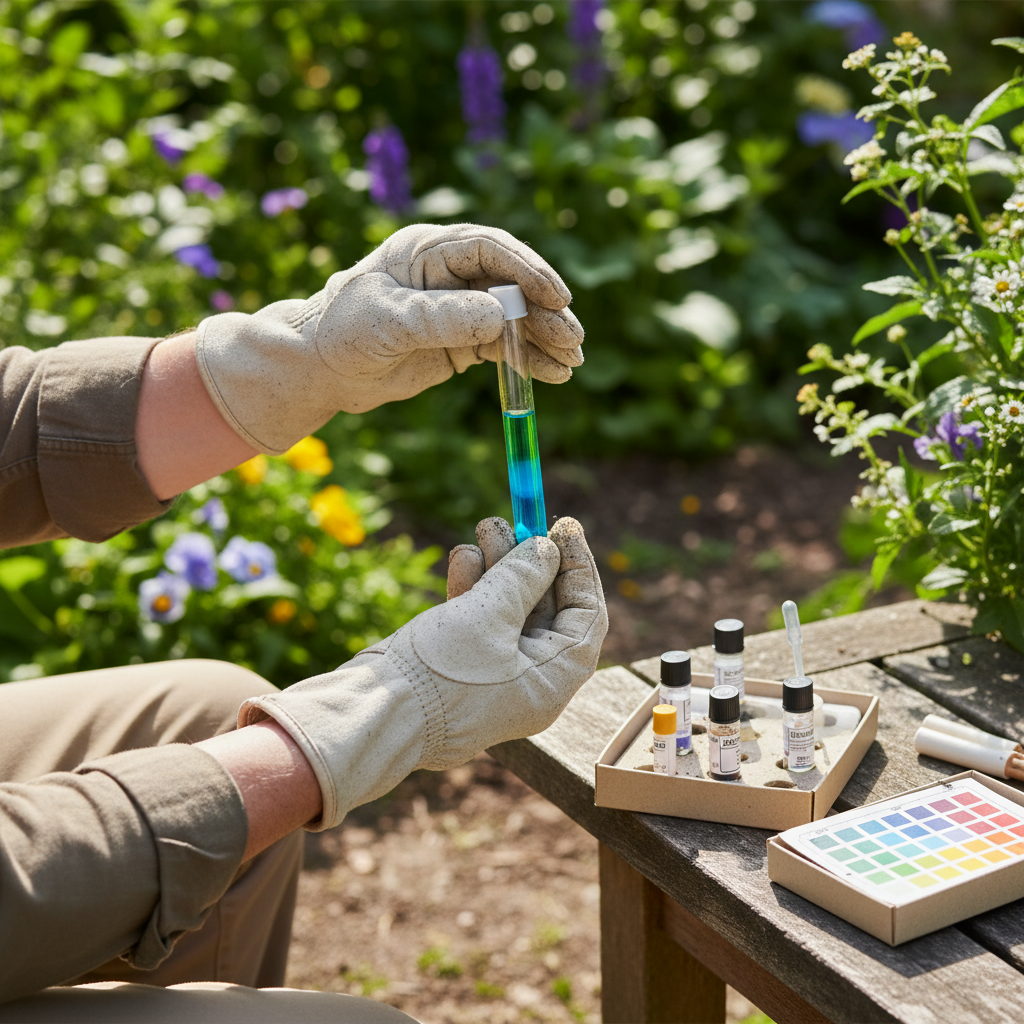
Never skip the soil test. Before adding anything to your garden bed, it's important to know the exact pH level, nutrient content, and drainage capability of your existing soil. Simple home test kits are available at most garden centres in Muscat, or you can collect a sample and send it to an agricultural laboratory for a full report.
What you're looking for:
- ✓ Correct pH Balance Target (6.0 - 7.0 for optimal plant uptake)
- ✓ Mineral & Nutrient Deficiencies Identification
- ✓ Accurate Drainage Timing Analysis
Armed with this data, you can make informed decisions about exactly what your soil needs rather than guessing — saving both time and money on amendments that may not be necessary.
Step 2: Clear and Loosen the Ground
Once you know your soil's condition, the physical work begins. Start by removing all existing vegetation, stones, roots, and debris from the area. In Muscat's harsh sun, you can use a solarisation technique — covering cleared soil with a clear plastic sheet for 4 to 6 weeks during summer — to kill weed seeds and soil-borne pathogens before planting.
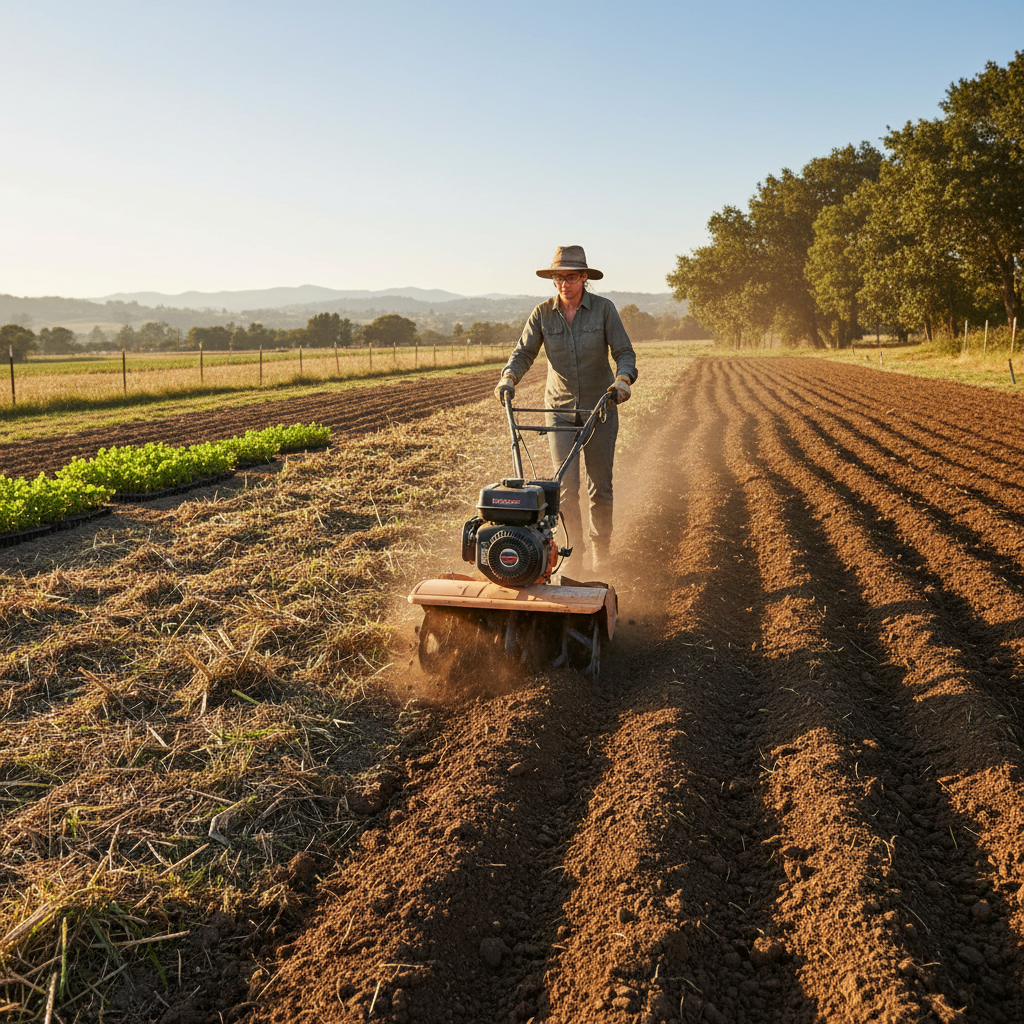
After clearing, break up the soil to a depth of at least 30 to 40 centimetres. This is especially important in Muscat because compacted sub-layers are common. Use a mechanical tiller or a garden fork and work through the soil thoroughly, breaking up any hard clumps and removing rocks as you go.
Deep loosening allows roots to penetrate freely, improves water penetration, and gives you a blank canvas to build healthy soil on top of.
Step 3: Improve Drainage with Sand and Gravel
While Muscat's native soil already drains quickly, this fast drainage is often uneven. Water runs through sandy patches too rapidly while pooling around clay pockets or compacted areas.
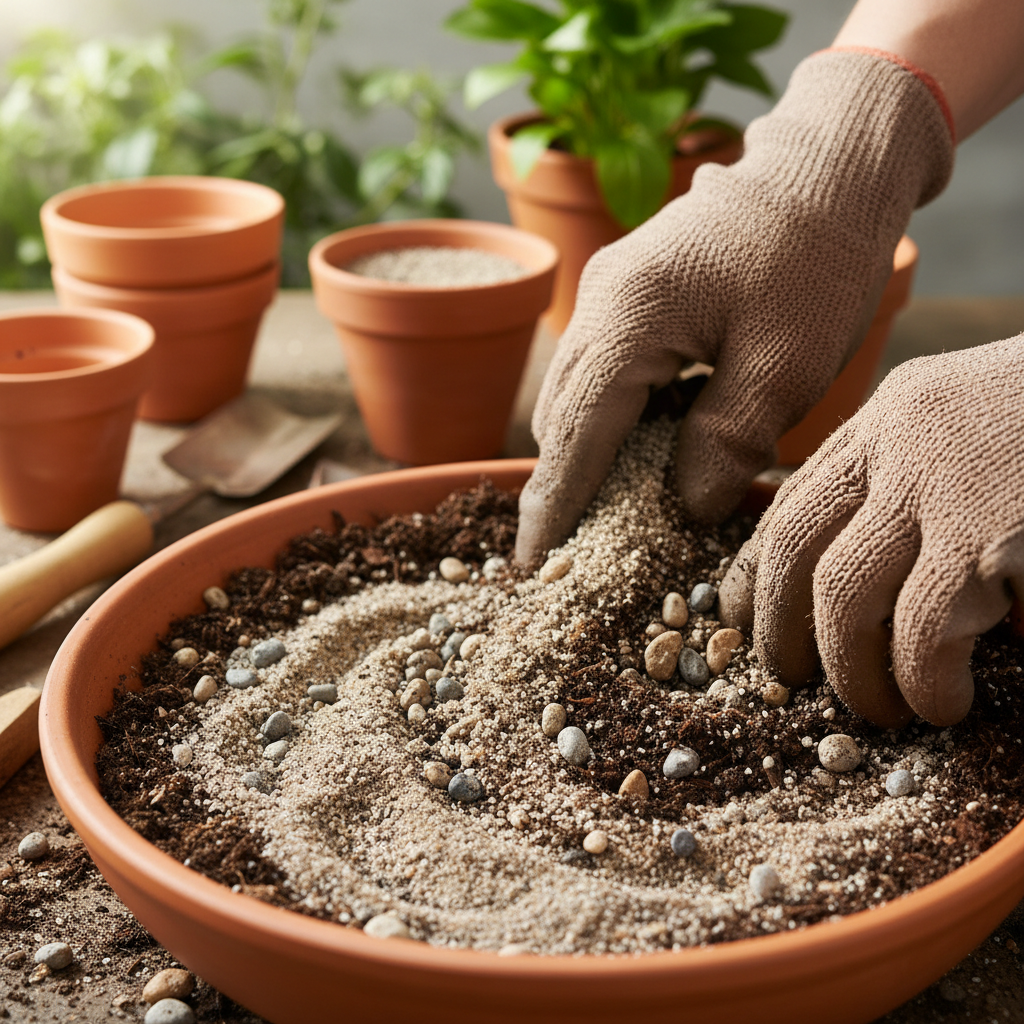
For a new garden bed, the goal is controlled drainage — fast enough to prevent waterlogging, but slow enough to give roots time to absorb moisture. Mixing coarse washed sand (not fine beach sand, which compacts) into your soil at a ratio of roughly 20 to 30% by volume helps create an even, well-draining structure. For lawns and areas where you'll be planting heavy trees or shrubs, adding a layer of small gravel at the base of your prepared bed can further help manage drainage from below.
Proper drainage management also reduces the risk of root disease and complements a well-designed irrigation system in Muscat, ensuring water reaches roots efficiently without creating waterlogged zones that invite fungal pathogens.
Step 4: Build Organic Matter into the Soil
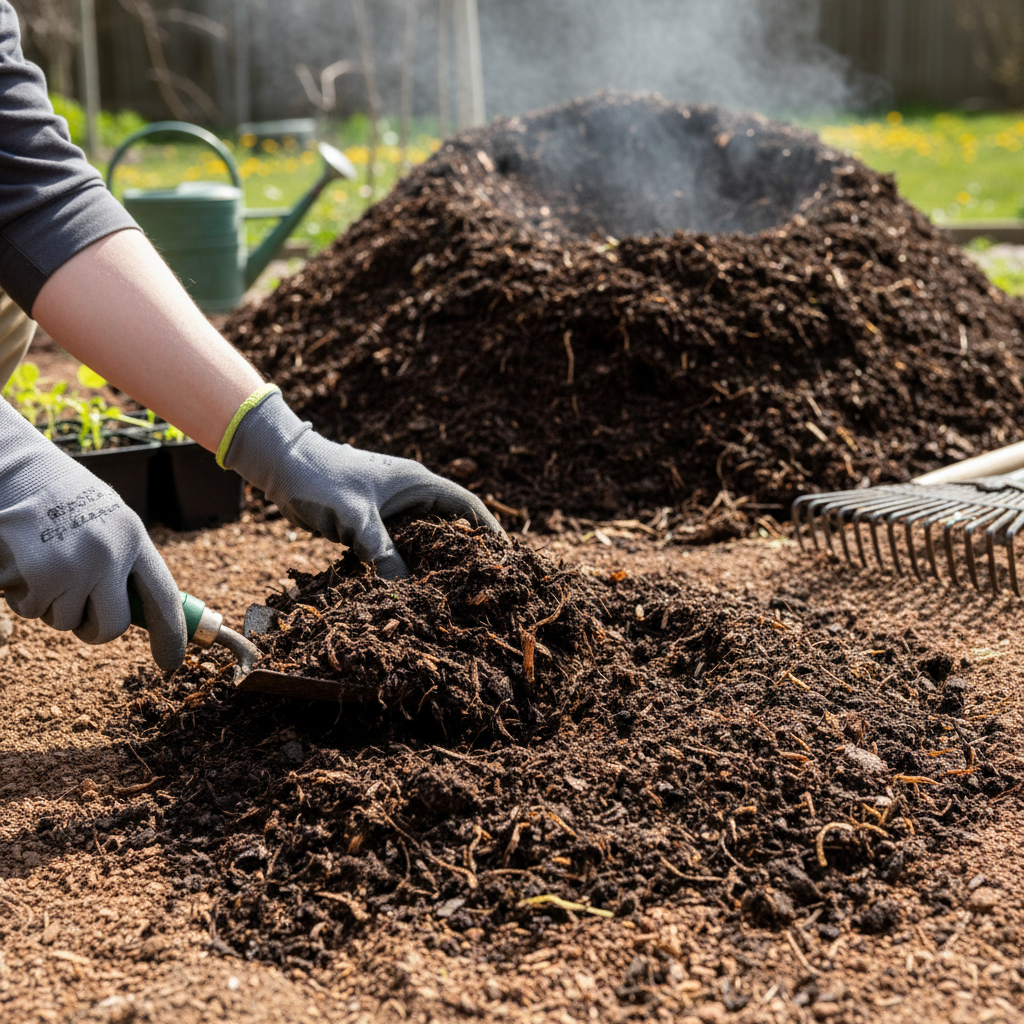
This is the single most important step for any Muscat garden. Organic matter improves everything — it helps sandy soil retain moisture, provides essential nutrients, supports beneficial soil microorganisms, and gradually lowers alkalinity over time.
The best organic amendments to use in Oman's climate include:
Well-Aged Compost
Improves water-holding capacity and structure in sandy soils.
Coco Coir / Peat Moss
Retains vital root hydration layer through dry cycles.
Combining several of these amendments produces the best results. Start with a generous compost base, add coir for moisture retention, and finish with a surface mulch layer. The mulching strategies for Muscat gardens we use at Mariam Gardening have proven essential for keeping newly prepared beds productive through the intense summer months. Building strong organic content also supports natural pest control for villa gardens, as healthy soil microbiomes actively suppress many common pest populations.
Step 5: Correct the pH Level
Most vegetables, flowers, and ornamental plants grown in Muscat gardens prefer slightly acidic to neutral soil (pH 6.0 to 7.0). Since native soil here leans alkaline, you'll likely need to bring the pH down.
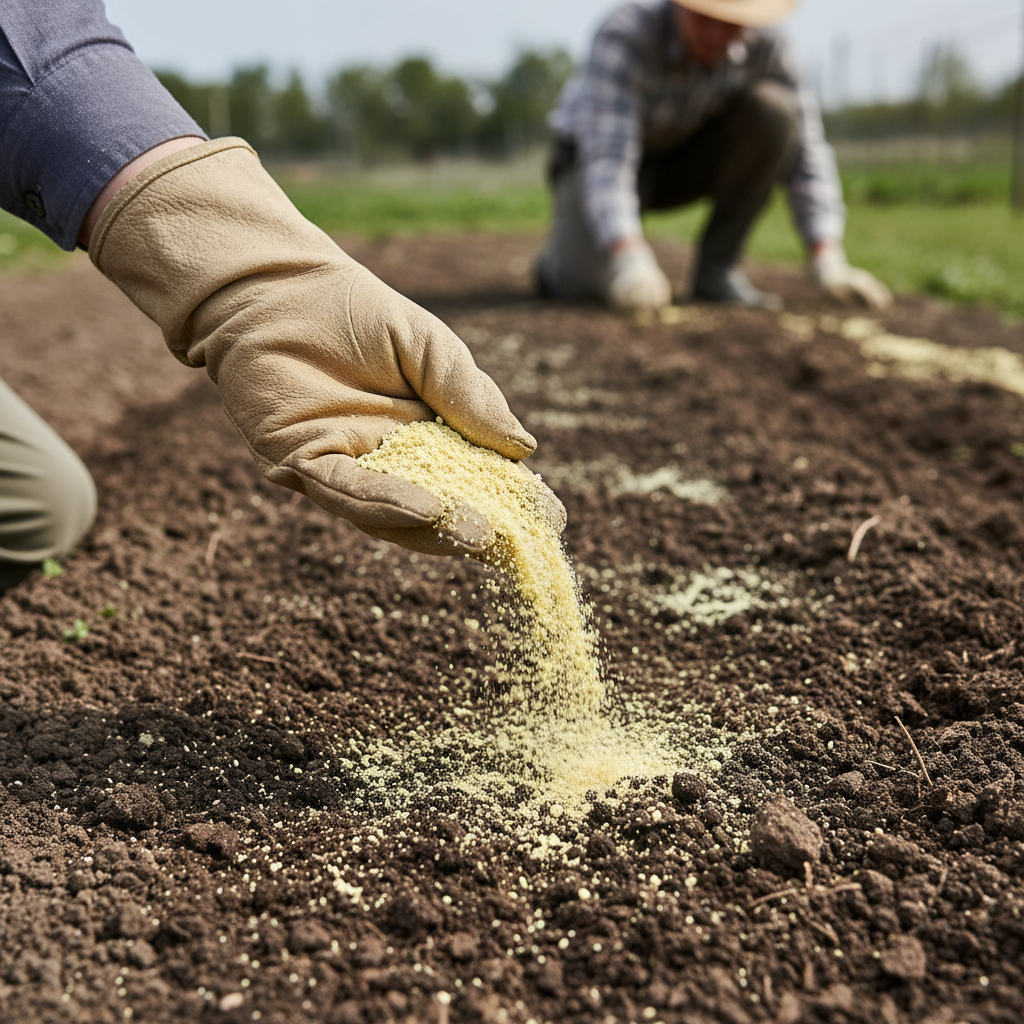
Elemental sulphur is the most effective long-term solution. It is slow-acting but lasts for months, gradually acidifying the soil as soil bacteria break it down. Add it according to the package instructions based on your soil test results.
Compost and organic matter also help lower pH naturally over time, which is another reason why building organic content is so valuable.
For acid-loving plants like bougainvillea, hibiscus, or jasmine — all popular in Muscat gardens — a more targeted pH correction may be needed in their immediate planting holes. These plants also respond well to the best grass types for Oman as companion ground covers once the soil pH is correctly balanced.
Step 6: Add a Balanced Fertiliser
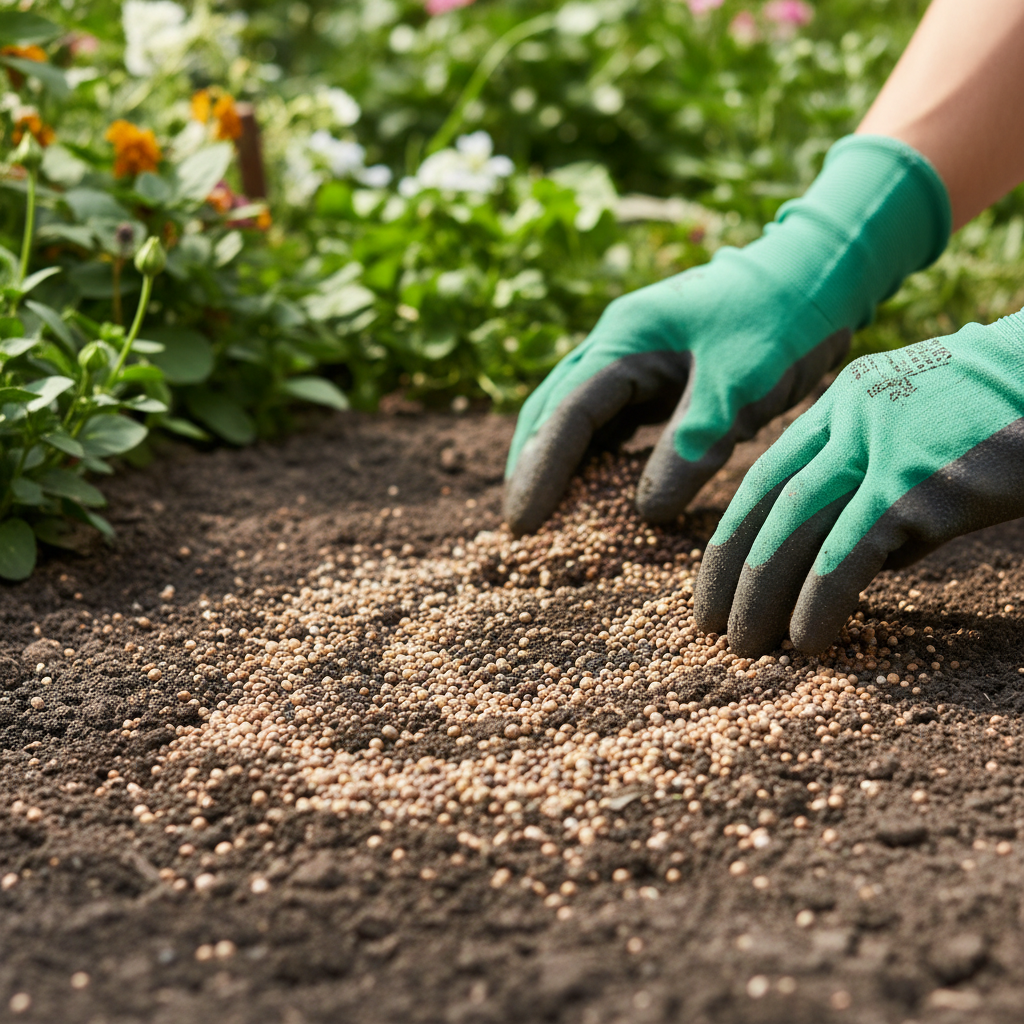
Once the soil structure and pH are addressed, add a slow-release, balanced fertiliser to give your new plants a strong start. Look for an NPK ratio around 10-10-10 or a formulation designed for desert and arid climates. Work the fertiliser into the top 20 cm of your prepared bed according to the product's recommended rates.
Avoid over-fertilising. In Muscat's heat, excess nitrogen in particular can burn roots and stress plants during the summer months. A conservative, measured approach produces far better results than heavy applications — your soil test results will guide exactly how much is needed.
Muscat Planting Calendars
Optimize implementation workflows around local climate variables:
Peak cultivation window. Root establishment is high with absolute low heat stress risks.
Avoid heavy ground breaking. Restrict target operations to mulch building and conditioning.
Ready to Build a Healthy Foundation?
Whether you're starting a new villa garden, redesigning a courtyard, or establishing a rooftop green space, we're ready to help. Mariam Gardening — Muscat's trusted experts.