

Natural Pest Control Methods for Muscat Villa Gardens
Proven organic strategies to build a resilient, beautiful ecosystem without relying on toxic chemicals.
Villa gardens in Muscat face a unique pest management challenge. The region's hot, arid climate creates ideal conditions for certain insects and pests to thrive year-round, while traditional chemical pesticides can be harmful to beneficial insects, expensive, and increasingly regulated. Fortunately, Muscat's gardeners have access to numerous natural pest control methods that are effective, sustainable, and perfectly suited to the local environment.
Whether you're cultivating ornamental plants, vegetables, or a mixed garden, these proven natural approaches will help you maintain a healthy, pest-free villa garden. By selecting the best plants for Muscat villa gardens and implementing the strategies outlined below, you'll build a resilient landscape that thrives with minimal chemical intervention.
Understanding Pests in Muscat's Climate
Before tackling pest control methods, it's essential to understand which pests are most problematic in Muscat's gardens. The region's warm, dry climate creates an environment where certain pests multiply rapidly. Understanding your specific pest problems is the first step toward effective natural control, particularly when combined with proper soil health and improvement in Oman.
Different pests require different approaches, and successful villa garden management often combines multiple strategies. Some pests — like spider mites — explode in population during Muscat's scorching summer months, while others like fungus gnats become more prevalent in overly irrigated areas. Identifying the culprit is half the battle.
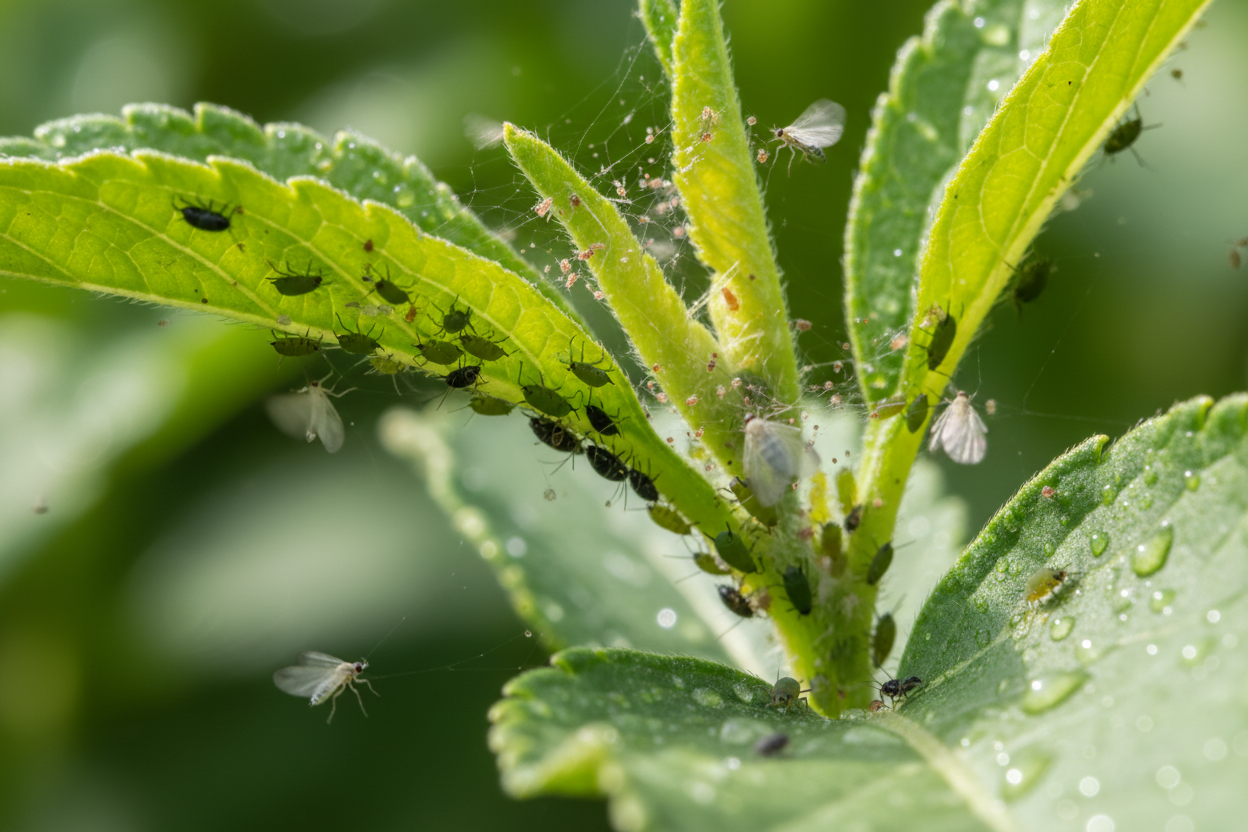
Common Muscat Garden Pests
- ●Spider mites (particularly damaging in hot, dry conditions)
- ●Whiteflies (thriving year-round)
- ●Aphids (affecting ornamentals and vegetables)
- ●Mealybugs (infesting succulents and ornamental shrubs)
- ●Scale insects (harming trees and woody plants)
- ●Thrips (damaging flowers and new growth)
- ●Fungus gnats (in irrigated garden areas)
- ●Hornworms and caterpillars (on vegetables and certain ornamentals)
The Philosophy of Natural Pest Control
Natural pest control in Muscat gardens is built on three core principles that work together to create a sustainable, balanced approach. Rather than reaching for chemical solutions at the first sign of trouble, experienced gardeners know that a holistic strategy yields better long-term results for both plant health and the local ecosystem.
This philosophy aligns with Oman's growing emphasis on sustainable agriculture and environmental stewardship, making it both an ecological and a practical choice for villa garden owners.

Prevention First
The easiest pests to control are the ones you prevent from establishing in the first place. Healthy plants are naturally more resistant.
Support Predators
Nature provides built-in pest control through predatory insects. Supporting them creates a brilliant self-regulating eco-space.
Calibrated Tactics
When prevention isn't sufficient, natural solutions provide tactical, localized remedy systems safely.
Prevention: Your First Line of Defense
Plant Selection and Health
The foundation of natural pest control begins with choosing appropriate plants and maintaining their health. In Muscat's climate, selecting pest-resistant varieties is crucial — many plants naturally resist local pests, and your local nursery can recommend varieties suited to Muscat's conditions. Maintaining proper plant health through correct watering and fertilization makes plants far more resistant to pest damage, as stressed plants attract pests like a magnet.
Ensuring proper spacing is equally important. Overcrowded plants create humid microclimates where pests thrive and diseases spread rapidly. In Muscat's dry climate, adequate spacing improves air circulation and significantly reduces pest problems. Choosing the best plants for Muscat villa gardens gives you a natural head start.

Garden Hygiene & Irrigation
Simple cleanliness practices prevent most pest infestations. Remove dead plant material regularly — fallen leaves, dead branches, and plant debris provide shelter and breeding grounds for pests. During Muscat's hot months, when pest populations can explode, this becomes especially critical. Eliminate hiding spots by keeping weeds under control and maintaining clear spaces around plants.
How and when you water significantly impacts pest pressure. Water in early morning — Muscat's high temperatures mean most watering happens early, which reduces humidity levels that many pests prefer. Implementing drip irrigation systems in Muscat directs water directly to the soil root paths, keeping foliage dry and clean.
Natural Beneficial Insects and Creatures
Creating a villa garden ecosystem that supports natural predators is one of the most effective long-term pest control strategies. These beneficial creatures provide free, continuous pest control that works 24/7. Combined with good mulching strategies for Muscat gardens, these natural allies form a powerful defense network.
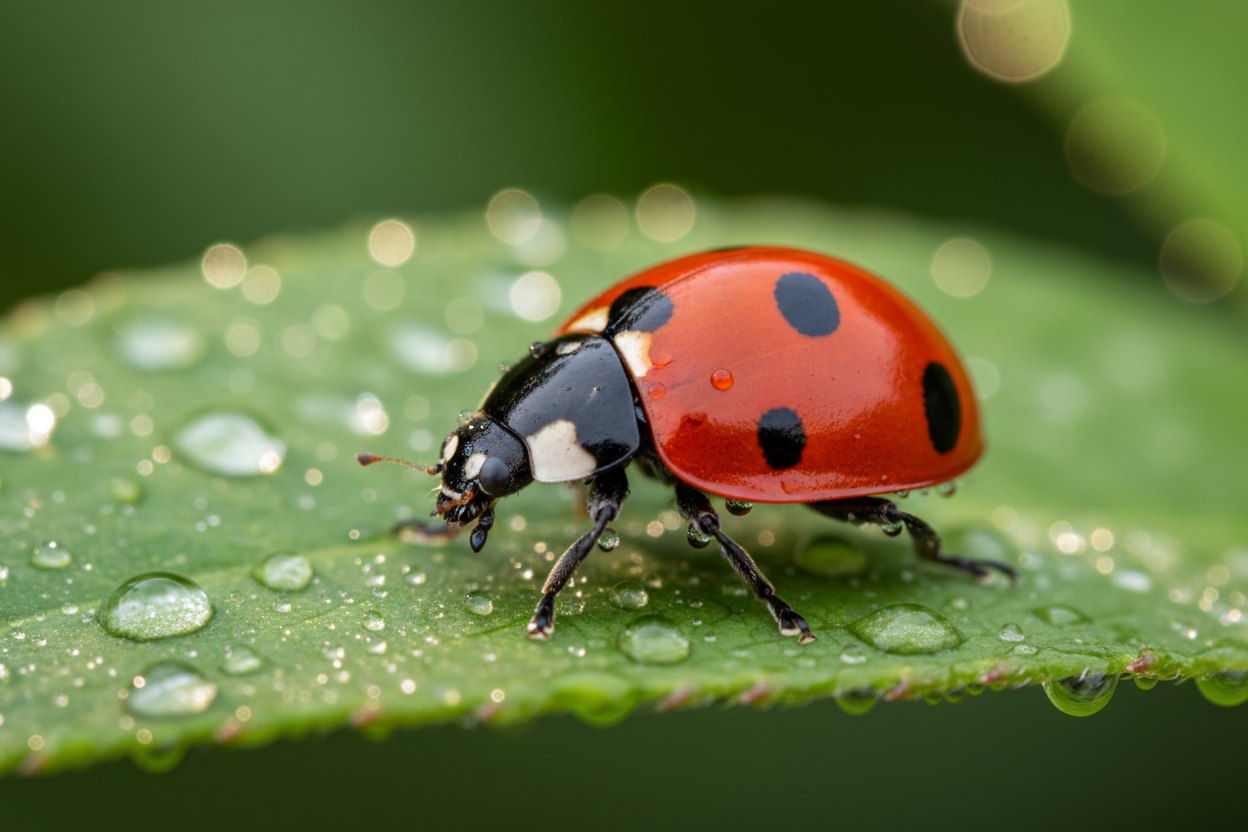
Ladybugs
Ladybird Beetles
Parasitic Wasps
Non-stinging species
Ground Beetles
Nocturnal hunters
Homemade Natural Pest Control Solutions
When natural predators need backup, these homemade solutions are effective, safe, and inexpensive. Always remember to apply these sprays during the cooler parts of the day — early morning or late evening — as Muscat's intense midday heat can deactivate natural compounds and scorch foliage.

Neem Oil Spray
Garlic & Chili Pepper Spray
Cultural and Physical Pest Control Methods
Beyond sprays and insects, physical methods offer powerful, chemical-free targeted control. These work exceptionally well in Muscat's dry climate where physical barriers remain structural and functional for longer periods.

Hand-Picking
Perfect for large pests like caterpillars and beetles. Check plants early morning or late evening, wear gloves, and drop pests into soapy water framework directly.
Water Blast Spray
A strong pressure spray from your hose easily dislodges spider mites and aphids safely. Best performed at dawn to allow drying before midday spikes.
Row Covers & Netting
Lightweight meshes protect vegetable rows perfectly from migratory insects. Highly effective during spring cultivation phases (February to April in Muscat).
Seasonal Pest Management in Muscat
Muscat's climate means pest pressure varies throughout the year. Understanding seasonal patterns allows you to anticipate problems and take preventative action before infestations develop. Planning your pest management by season is far more effective than reacting to problems as they appear.
By aligning your pest management strategy with Muscat's seasons, you'll stay ahead of problems rather than constantly playing catch-up. This proactive approach saves time, reduces plant damage, and minimizes the need for any intervention.

Spring
Mar – May
- •Spider mite populations begin increasing
- •Whiteflies emerge
- •Hand-pick early caterpillars
- •Introduce beneficial insects before peak season
- •Preventative neem oil applications most effective now
Summer
Jun – Aug
- •Peak pest activity despite extreme heat
- •Daily monitoring is essential
- •Spider mites most damaging
- •Apply sprays only early morning or late evening
- •Maintain proper irrigation for plant health
Fall
Sep – Nov
- •Pest pressure decreases slightly
- •Continue monitoring and treatment
- •Plant beneficial insect attractors for spring
- •Remove summer-damaged foliage harboring pests
Winter
Dec – Feb
- •Lowest pest pressure of the year
- •Focus on prevention and garden hygiene
- •Introduce beneficial insect habitats
- •Continue monitoring even if pests are less active
Integrated Pest Management (IPM) Strategy
The most effective approach combines multiple natural methods in what's called Integrated Pest Management. IPM is a systematic, science-based framework that prioritizes the least invasive interventions first and escalates only when necessary. It's the gold standard for sustainable garden care.
For Muscat villa gardens, IPM is particularly powerful because it accounts for the unique climate conditions and pest cycles of the region, creating a custom-tailored strategy that adapts with the seasons.

Monitor
Check plants weekly for signs of pests. Early detection allows intervention before infestations become severe. Look under leaves, along stems, and at the soil surface.
Identify
Correctly identify the pest before taking action. Not every insect in your garden is harmful — many are beneficial or neutral. Misidentification leads to wasted effort.
Set Action Thresholds
Decide how much pest damage is acceptable. Not all pests require treatment; minor populations often don't threaten plant health and may attract beneficial predators.
Implement Controls
Start with prevention and cultural methods. Move to biological controls (beneficial insects) next. Use natural sprays only when other methods aren't sufficient.
Evaluate & Adjust
Track what works in your specific villa garden. Conditions vary, and methods that work for one property may need adjustment for another. Keep a garden journal.
Common Mistakes to Avoid
Even experienced gardeners can fall into traps that undermine their natural pest control efforts. Being aware of these common mistakes will help you avoid unnecessary frustration and maintain an effective, sustainable approach to garden pest management in Muscat.
Over-treating minor infestations
Many gardeners spray at the first sign of pests. Small populations are often controlled naturally or cause minimal plant damage. Patience is key.
Ignoring plant health
A stressed, poorly watered plant will have severe pest problems regardless of your pest control efforts. Healthy plants are your best pest defense.
Disrupting beneficial insects
Broad-spectrum sprays kill helpful predators as well as pests. Use targeted approaches when possible to preserve your garden's natural allies.
Spraying during extreme heat
Muscat's intense midday heat deactivates natural sprays and can damage plants. Always apply in early morning or late evening.
Expecting instant results
Natural pest control works, but more slowly than chemical pesticides. Be patient and persistent — the long-term results are far superior.
Building Your Natural Pest Control Arsenal
For an effective, natural approach to pest management in your Muscat villa garden, keep these essential supplies on hand. Most items are available at local Muscat nurseries or can be ordered online. Having these ready means you can respond to pest issues quickly and effectively.
🧰 Essential Supply Checklist
Conclusion
Natural pest control in Muscat villa gardens is not just environmentally responsible — it's practical, cost-effective, and often more reliable than chemical alternatives. By combining prevention through healthy plant management, creation of beneficial insect habitats, and judicious use of natural pest control solutions when needed, you'll maintain a thriving garden throughout the year.
The key to success is patience, observation, and a willingness to work with nature rather than against it. Your villa garden will be healthier, more resilient, and more beautiful as a result. Start with one or two methods, observe the results, and gradually build your natural pest control strategy over time.
Ready to Transform Your Garden?
Contact Mariam Gardening Oman for personalized guidance on implementing these proven natural pest control methods in your villa garden.
Contact Mariam Gardening Oman