

How Often Should You Water a Garden in Muscat’s Hot Climate?
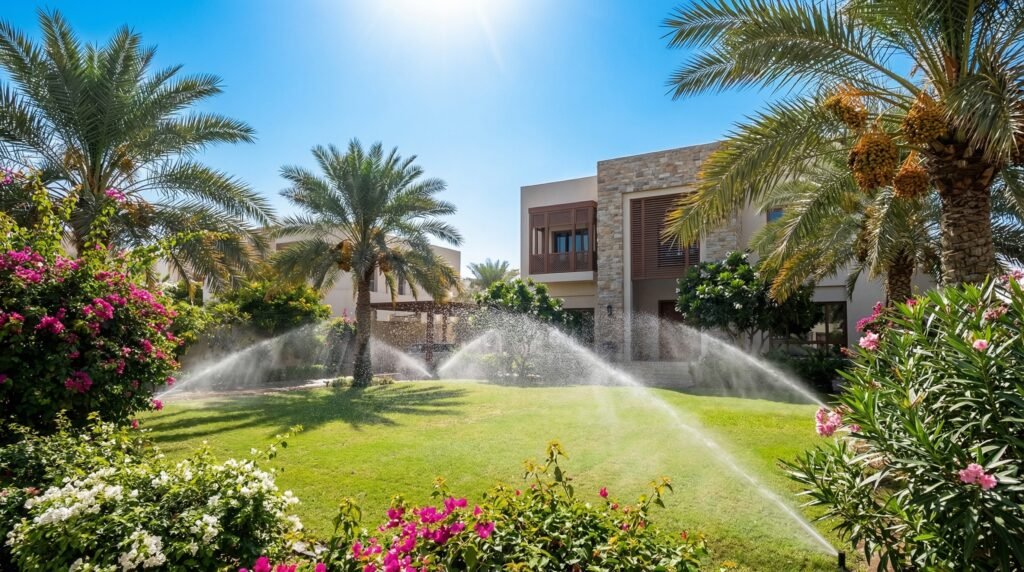
How often water garden Muscat is one of the most common questions homeowners ask when trying to maintain a healthy garden in Oman’s extreme climate. Gardening in Muscat comes with a major challenge—intense heat and rapid water evaporation. During summer, temperatures regularly rise above 40°C, which means plants can dry out very quickly if they are not watered properly.
However, one of the biggest misconceptions in how often water garden Muscat practices is that more water always means better results. In reality, overwatering can damage your garden just as much as underwatering. Many villa owners unknowingly harm their plants by following inconsistent or excessive watering routines.
The correct answer to how often water garden Muscat depends on several important factors. These include the season, plant type, soil condition, and the efficiency of your irrigation system. Because Muscat’s environment changes throughout the year, watering schedules must be adjusted accordingly to maintain balance.
In summer, how often water garden Muscat routines usually require more frequent but controlled watering due to high temperatures and evaporation rates. In contrast, during cooler months, watering frequency should be reduced to prevent waterlogging and root damage. Understanding these seasonal differences is essential for long-term garden health.
Plant type also plays a key role in determining how often water garden Muscat schedules. Some plants, especially drought-resistant varieties, require less water and can survive longer periods without irrigation. On the other hand, lawns and flowering plants may need more consistent moisture to stay healthy and green.
Soil condition is another critical factor in how often water garden Muscat planning. Sandy soil, which is common in Muscat, drains water quickly and does not retain moisture well. This means watering needs to be managed carefully to ensure plants receive enough hydration without wasting water.
Irrigation systems also directly affect how often water garden Muscat routines. A well-maintained system ensures even water distribution, while faulty systems can cause serious problems. Leaks, clogged emitters, or uneven watering can result in some areas receiving too much water while others remain dry.
Poor irrigation is one of the main causes behind incorrect how often water garden Muscat practices. Too much water, too little water, or uneven distribution can quietly damage your entire landscape. Over time, this leads to weak lawns, dying plants, increased water bills, and costly repairs.
The good news is that most of these issues can be corrected easily. By understanding the correct how often water garden Muscat approach and making small adjustments, homeowners can significantly improve garden health. Fixing irrigation faults, improving soil quality, and following a consistent watering schedule can restore balance to your garden.
Early action is key when dealing with irrigation-related problems. Identifying signs such as dry patches, yellowing plants, or water pooling helps prevent further damage. With the right approach, even struggling gardens can recover and thrive.
In conclusion, how often water garden Muscat is not a one-size-fits-all answer. It requires careful observation, proper planning, and adjustments based on climate and garden conditions. By following the right watering schedule and maintaining an efficient irrigation system, homeowners can keep their gardens healthy, green, and sustainable throughout the year.
Why Watering Gardens in Muscat Is Different
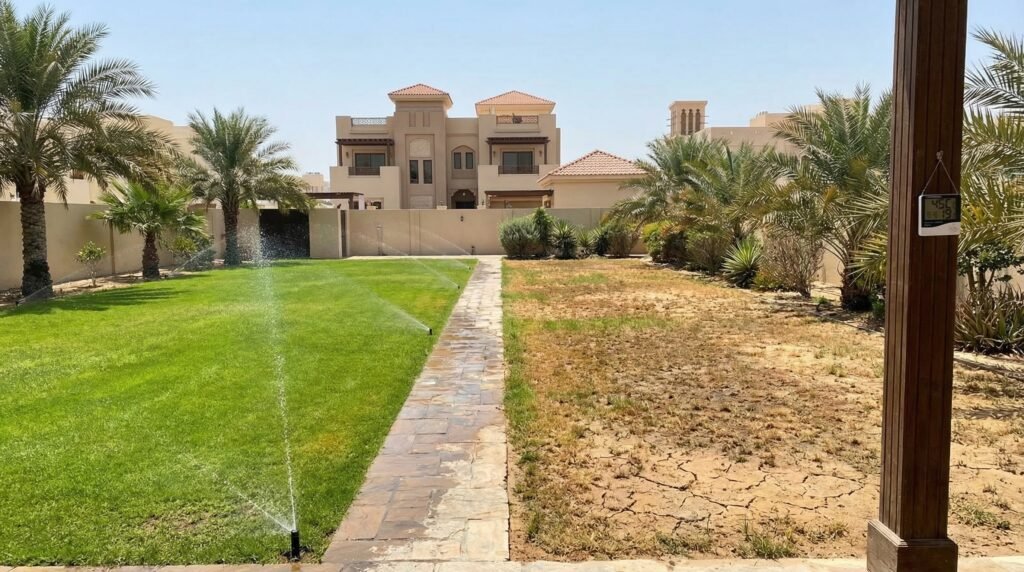
Muscat’s climate creates unique conditions for gardens. Unlike cooler countries where rain supports plant growth, gardens here depend almost entirely on irrigation systems.
Key factors affecting watering frequency:
High temperatures increase evaporation
Sandy soil drains water quickly
Strong sunlight dries plants faster
Limited rainfall means plants rely on manual watering
Because of these conditions, proper watering is essential for lawns, trees, shrubs, and flowers.
Recommended Watering Frequency for Gardens in Muscat
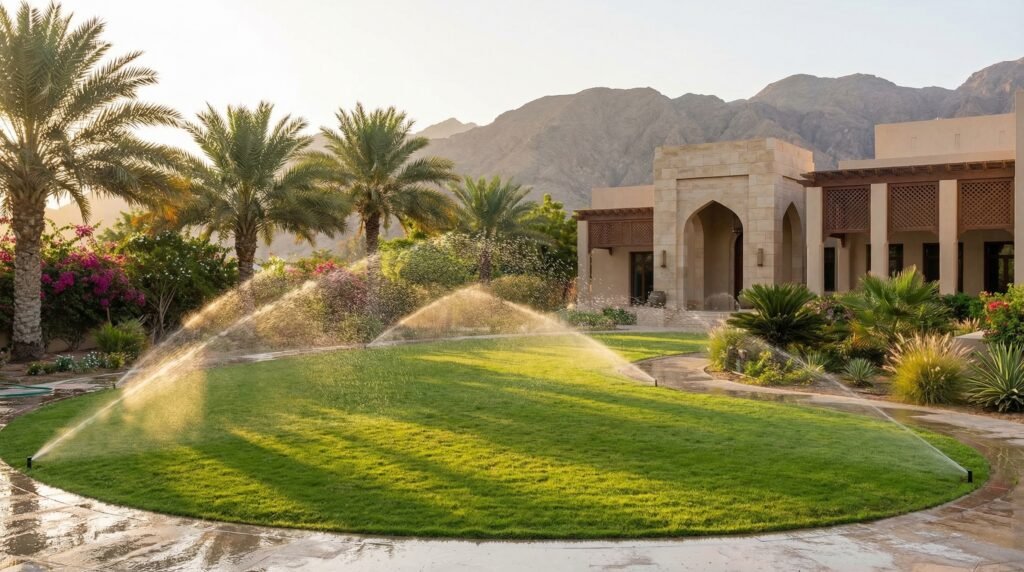
Below is a practical watering guide based on common garden elements found in Muscat villas.
Lawn (Grass Areas)
Grass needs consistent watering to stay green in Muscat’s heat.
Recommended watering schedule:
Summer: 1–2 times daily (early morning and evening)
Winter: 3–4 times per week
Spring & Autumn: once per day or every other day
Important tips:
Water deeply so moisture reaches the roots
Avoid watering during midday heat
Check for dry patches caused by uneven sprinkler coverage
Trees and Large Plants
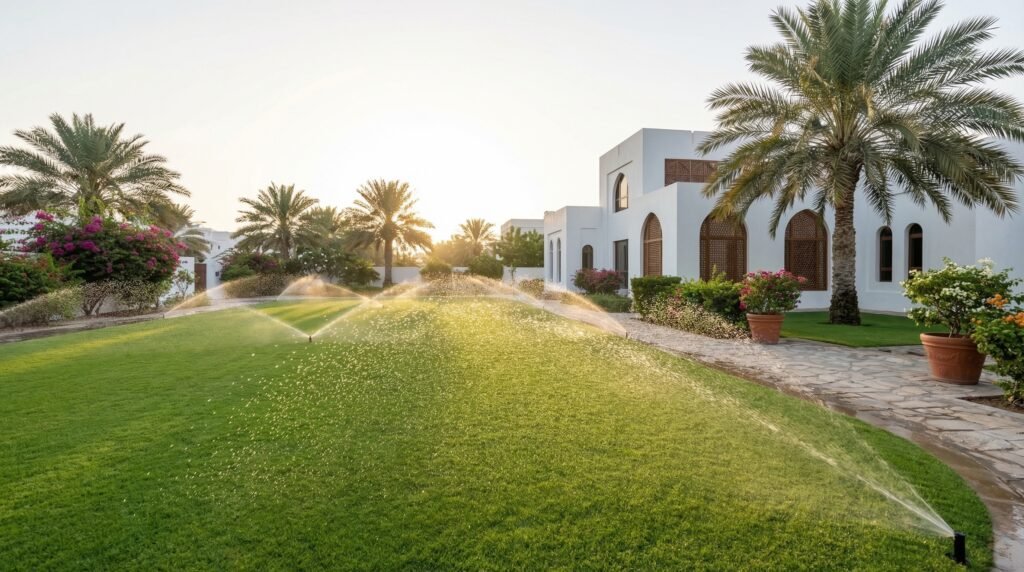
Trees and large plants need deep watering but less frequently.
Recommended schedule:
Summer: every 2–3 days
Winter: once per week
Spring & Autumn: every 3–4 days
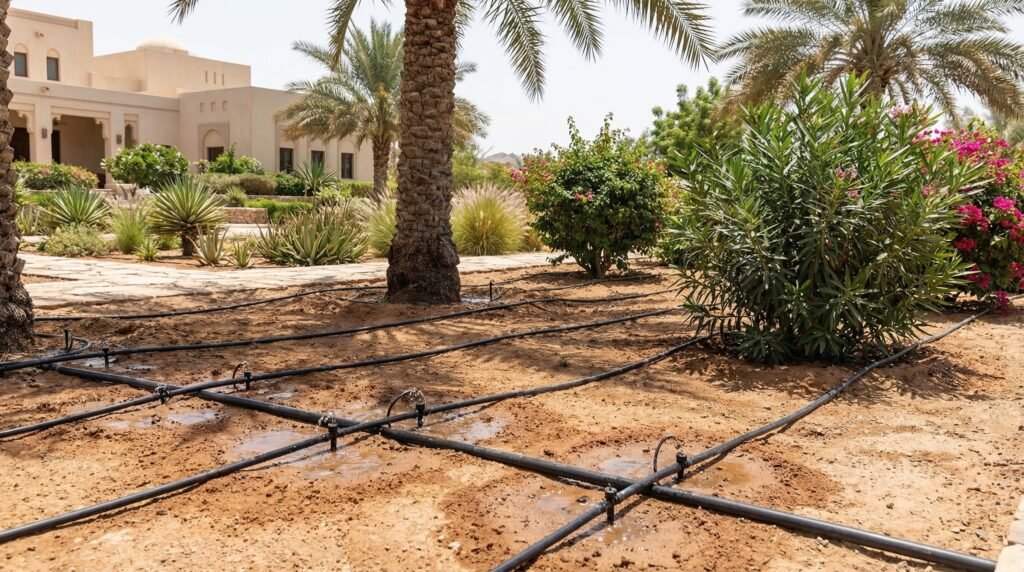
Using drip irrigation systems works best because water slowly reaches deep roots.
Flowers and Small Plants
Flower beds and decorative plants require frequent but controlled watering.
Recommended schedule:
Summer: daily watering
Winter: every 2–3 days
Spring & Autumn: every 1–2 days
Plants like bougainvillea, hibiscus, and jasmine thrive with regular watering but still need good drainage.
Best Time of Day to Water Gardens in Muscat
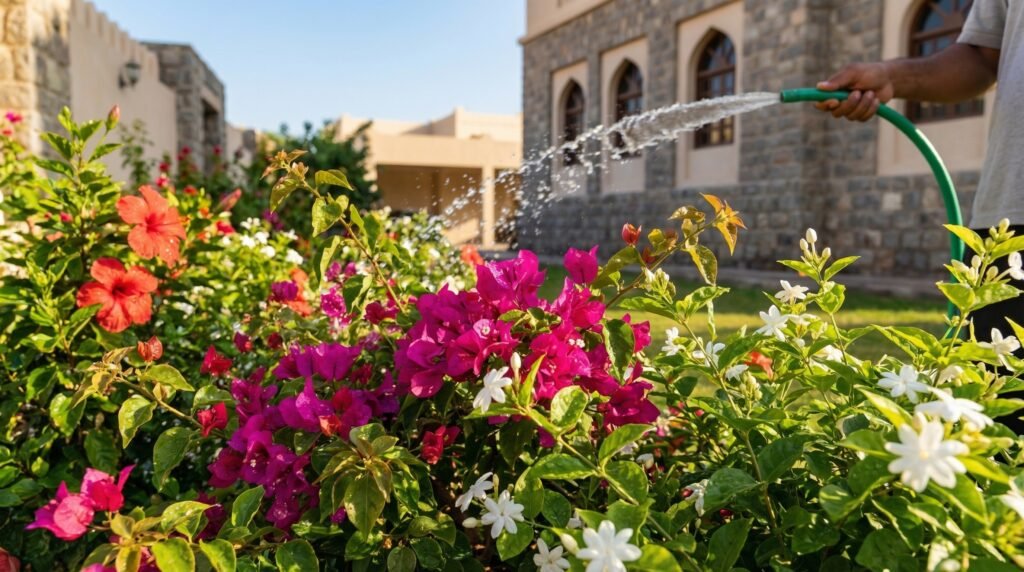
Timing matters just as much as frequency.
Early Morning (Best Option)
Watering between 5:00 AM and 7:00 AM allows plants to absorb moisture before the sun becomes intense.
Benefits:
Less evaporation
Plants stay hydrated throughout the day
Reduced risk of fungal diseases
Evening (Second Best Option)
Watering between 6:00 PM and 8:00 PM is also effective because temperatures begin to drop.
However, avoid watering too late at night as excess moisture can attract pests.
Signs Your Garden Is Getting Too Much or Too Little Water
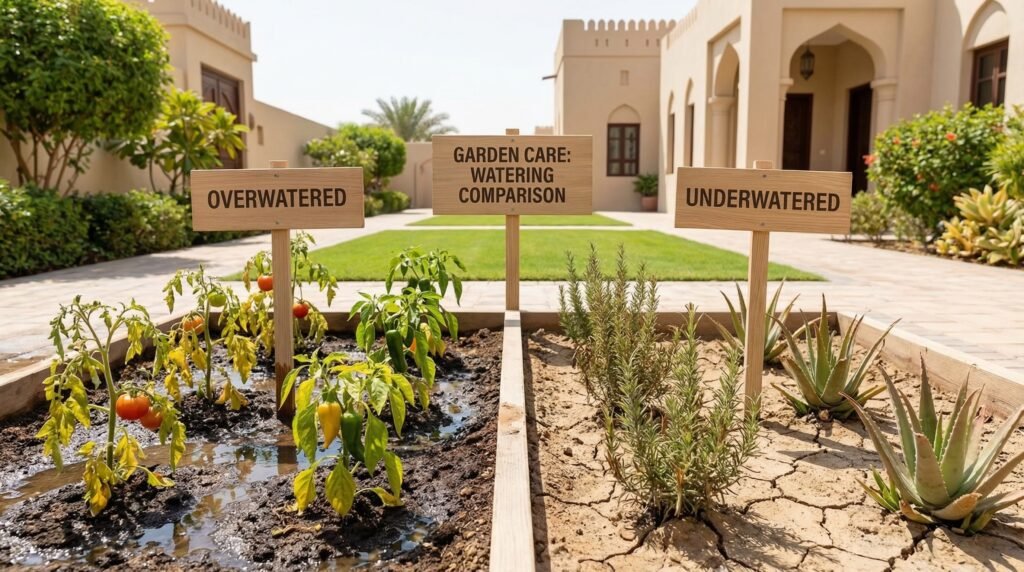
Many gardens in Muscat struggle because of overwatering.
Signs of underwatering
Dry soil
Brown lawn patches
Wilting leaves
Dropping flowers
Signs of overwatering
Yellow leaves
Soft or rotting roots
Fungus growth
Constantly wet soil
Balancing watering frequency helps prevent these issues.
Smart Irrigation Systems for Muscat Gardens
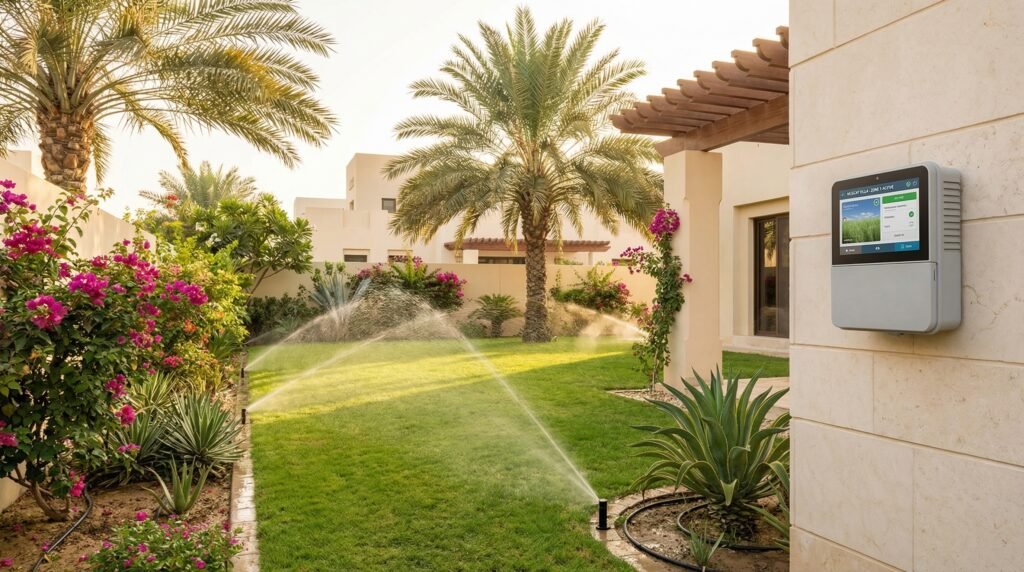
Many homeowners in Muscat now use automatic irrigation systems to manage watering more efficiently.
Popular solutions include:
Drip irrigation systems
Automatic sprinkler systems
Smart irrigation timers
Moisture sensors
These systems help maintain the right watering schedule while reducing water waste.
Pro Tips to Reduce Water Usage in Muscat Gardens
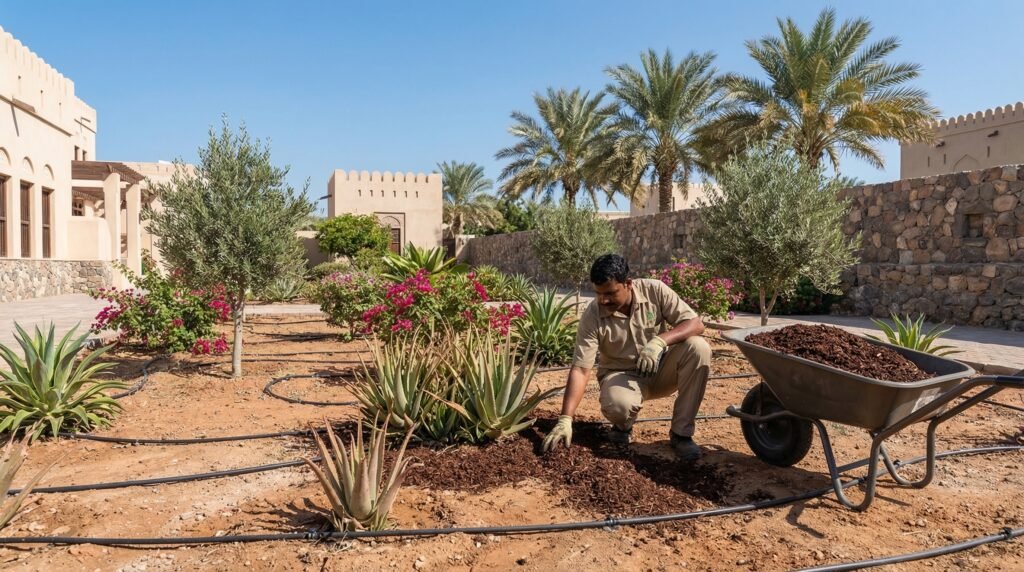
If you want to keep your garden healthy while saving water, try these techniques:
• Add mulch around plants to retain moisture
• Use drought-resistant plants suitable for Oman’s climate
• Repair leaking irrigation pipes quickly
• Water deeply but less frequently
• Group plants with similar water needs together
These simple strategies make a big difference in Muscat’s hot climate.
Final Thoughts
So, how often should you water a garden in Muscat?
The answer depends on the plant type and season, but generally:
Lawns: daily in summer
Plants and flowers: daily or every other day
Trees: every few days with deep watering
Because Muscat’s climate is extremely hot and dry, the key to a thriving garden is consistent watering combined with an efficient irrigation system.
With proper watering habits, your garden can stay lush, green, and beautiful even during Muscat’s intense summer months.